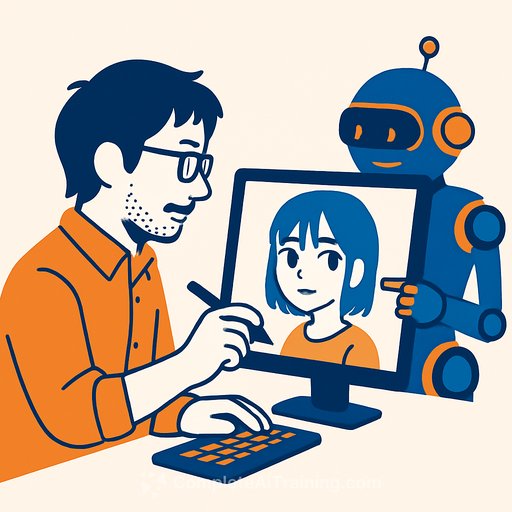
Look Back Director Embraces AI as a Tool for Creative Accessibility
The animation community faces ongoing debates about artificial intelligence and its impact on professional artists. Many fear AI could replace traditional creative jobs, sparking concerns over the future of artistry. However, Kiyotaka Oshiyama, director of the acclaimed anime film Look Back, offers a different perspective.
Oshiyama sees AI as a means to democratize art, making creative expression more accessible to those without technical training. His film, adapted from a manga by Tatsuji Fujimoto, explores themes of artistic growth and inspiration—perfect ground to discuss AI's role in creativity.
Balancing AI's Potential and Its Risks
While Oshiyama acknowledges the risks of unlawful AI use, such as unauthorized replication of artists' work, he stresses that responsible AI application can empower individuals who struggle to express themselves through traditional art forms. AI art generators can produce detailed images quickly, opening doors to creativity for many.
He explains, "I don't want to take away from those who find creativity through AI art." This reflects his belief in AI as a helpful tool rather than a replacement for genuine artistic effort.
Technology's Inevitable Shift in Creative Work
Oshiyama compares AI's impact to past technological changes, like the washing machine replacing hand laundry. While such innovations disrupt jobs, they also redefine how tasks are approached. He accepts that AI may affect creative industry jobs but insists the conversation must happen openly.
Industry Moves Toward AI Integration
Toei Animation plans to increase AI technology use, showing industry-wide recognition of AI's growing role. The manga and anime sectors have already experimented with AI, including:
- Shinchosha's first AI manga
- Twins HinaHima, an AI-created TV anime special
- AI translators for manga and light novel localization
These developments highlight how AI is becoming a practical part of content creation and distribution.
Clarifying Ethical Boundaries
Oshiyama distinguishes between creative AI use and misuse, especially regarding intellectual property. He firmly opposes unlawful applications like copying voices or styles from studios such as Studio Ghibli for profit.
He states, "Using AI to learn natural landscapes or surroundings to create art is totally fine, but illegal, malicious uses are unacceptable." This stance supports ethical AI use while protecting original creators' rights.
Encouraging Creativity Through AI
Ultimately, Oshiyama views AI as a tool that can help everyday people explore their creative potential. His film, Look Back, celebrates artistic effort and growth, reflecting his openness to new forms of creative expression enabled by technology.
For creatives interested in how AI tools can expand their skillset, exploring structured learning paths can be a practical step. Platforms like Complete AI Training offer courses tailored to different creative jobs and skills.
Look Back is available to stream on Amazon Prime Video for those wanting to experience the story behind these insights firsthand.
Your membership also unlocks: