Teachers Push Back as Google Lens Spreads Through Classrooms
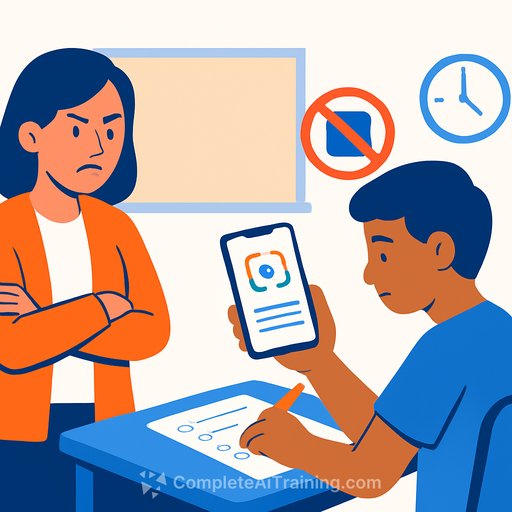
A high school teacher in Los Angeles discovered his students' test scores had spiked dramatically. They were using Google Lens, a visual search tool built into Chrome, to photograph questions and instantly retrieve answers.
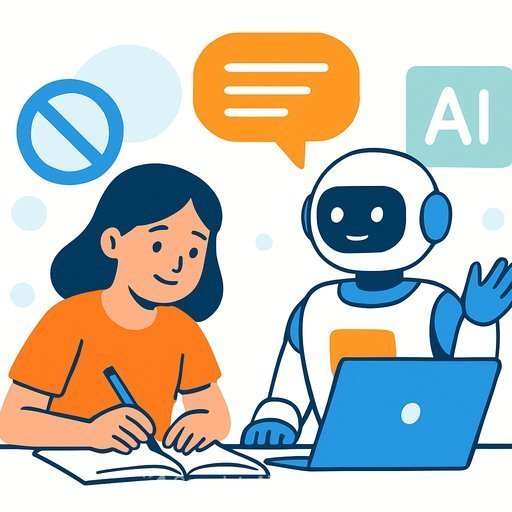
The discovery has reignited debate among educators about whether AI-powered search tools belong in schools. Some teachers see them as threats to academic integrity and core skills. Others argue they democratize learning for students who struggle with traditional methods.
The Problem Schools Face
Google Lens can identify text, images, and questions with a single camera hover. Students photograph a math problem or essay prompt and get instant results. Teachers struggle to distinguish between work students completed independently and work they outsourced to the tool.
William Heuisler, an ethnic studies teacher in Los Angeles, abandoned digital tools entirely and returned to pen and paper. "If we hand them shortcuts that bypass developing these abilities, are we truly supporting their success?" he said.
Others take a different approach. Dustin Stevenson, the teacher who first noticed the score spike, expressed frustration but acknowledged the broader challenge: "Educating in the era of AI is challenging enough, and now we're wrestling with this too?"
What Schools Are Actually Doing
The Los Angeles Unified School District kept Google Lens on student Chromebooks but added safeguards. Students now complete a digital literacy module and must follow codes on academic honesty and technology responsibility.
The California Department of Education advised against harsh penalties. Instead, it recommended schools redesign assignments so AI tools cannot easily complete them-asking students to defend their reasoning, draw connections to their own experience, or solve problems without clear right answers.
Alix Gallagher, director of Policy Analysis for California Education, said the burden falls on adults. "Because grown-ups are unclear, it's no shock that students are too. It's on us adults to clarify and unite, or we'll complicate things for the kids genuinely trying to play by the rules."
Google's Position
Google has invested more than $40 million in AI education programs for students and teachers over recent years. A company spokesperson said the tool is being tested for broader accessibility while working with educators to refine how it supports learning.
"We're collaborating with educators and partners to refine our tools for better learning support," Craig Ewer, a Google spokesperson, said.
What Comes Next
Schools face a practical problem with no single solution. Banning tools doesn't work-students find workarounds. Ignoring them abandons the problem to chance.
The real work involves designing assignments that require judgment, original thought, and written explanation. It means teachers and administrators need clear policies before students encounter these tools, not after.
For educators navigating this shift, resources on AI for Education and an AI Learning Path for Teachers can help clarify how these tools work and how to use them responsibly in the classroom.
Your membership also unlocks: