Disney's AI Deal Tests Creative Integrity - What It Means for Working Creatives
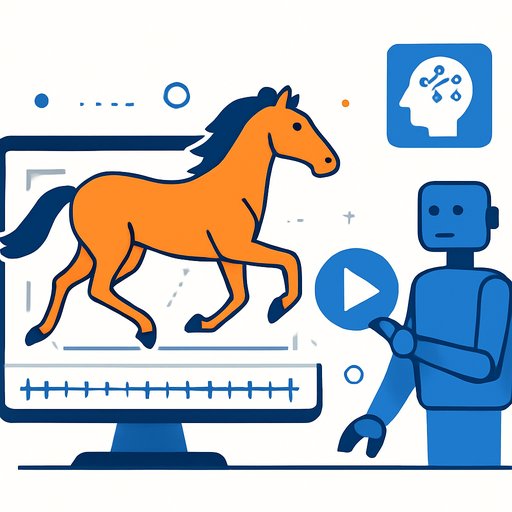
Disney signed a three-year licensing agreement with OpenAI that makes it the first major content licensing partner for Sora. The plan: let fans generate short, prompt-based videos for Disney+, and use OpenAI tools across products and experiences. Efficient, yes. Creative win? That's the real question.
The pattern: more speed, less soul
Disney's shift has been clear for years. Live-action remakes replaced original risks, and the results often missed the emotional depth and stylized charm that animation delivered. Hand-drawn work carried intention in every line and frame. Swap that for volume, and the magic thins out.
There were bright spots like "Maleficent" and "Cinderella," which proved reinterpretation can work when handled with care. But newer projects have struggled to honor their sources. Announced remakes of "Moana" and "Tangled" look more like pipeline decisions than creative bets. More output, less identity.
What AI adds - and what it misses
Letting fans spin up AI-made clips with iconic characters means mass content at remarkable speed. It also turns character design into a preset. The nuance that makes stylization sing - anatomy, lighting, gesture, exaggeration - gets flattened into a glossy, generic look when prompts do the heavy lifting.
These systems don't study like artists do. They don't make intentional choices; they autocomplete. That gap shows up in stiff poses, odd hands, dead eyes, and lighting that fights the mood. It's not a moral panic to say this matters - it's the core of why art lands.
Where this leaves working creatives
This isn't about anti-tech sentiment. It's a call to keep creative judgment at the center. If studios chase throughput, your edge is taste, process, and a standard clients can feel.
- Treat AI as a sketch phase, not the final. Rough ideas in, human storytelling out.
- Codify a style bible: shapes, lighting rules, color logic, motion language. Reuse standards, not shortcuts - reference Design best practices.
- Set quality gates for anatomy, lighting, continuity, and expression. If it fails, it ships nowhere.
- Use consent-first assets. Don't train on or imitate living artists without permission. Be clear about references and attribution.
- Disclose AI assistance where it matters to trust - credits, case studies, and client docs.
- Negotiate: retain style IP, protect likeness rights, require human review for any AI-assisted deliverable.
- Educate clients with side-by-side comps. Show the difference between fast content and lasting work.
If you plan to touch Sora
Know the tool, but don't outsource your taste. Learn how prompts affect shot composition, motion, and lighting, then refine with human passes for timing, acting, and texture. Keep your pipeline modular: pre-vis with AI, but lock story, design, and performance with human direction.
Keep labels clean: AI-assisted, AI-generated, or human-made. Audience trust depends on it. For context on Sora's capabilities and limitations, read the official overview from OpenAI.
What studios should do if they care about legacy
Fund fewer projects and raise the craft bar. Use AI to speed tedious steps, not creative decisions. Give artists time to explore, break, and rebuild ideas before anything hits a render farm.
If you open the door to fan-made content, wall it off. Clear labeling, clear rights, and zero confusion with canon. The brand's value is the trust it earns from taste, not the volume it pumps out.
The takeaway
Technology can help, but it can't replace intent. Disney's move signals a push for efficiency; the antidote is creative leadership with a spine. Keep the human layer in charge, or watch your work blur into content that feels like everything else.
If you're exploring AI for video while protecting your voice, Complete AI Training's Generative Video tag is a helpful starting point.
Your membership also unlocks: