AI Union urges mandatory AI safeguards to protect creative workers
The National AI Plan has landed, and the Media, Entertainment & Arts Alliance (MEAA) is pushing for mandatory AI safeguards. The message is simple: unregulated systems are already hurting creatives, and voluntary promises won't fix it.
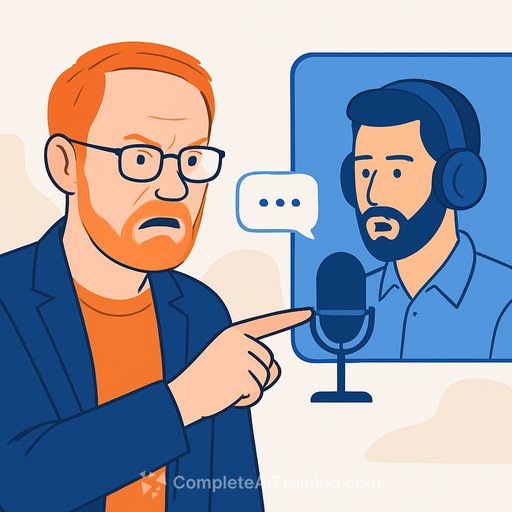
The government flagged ongoing AI oversight and fresh consultation on workplace issues. It also set expectations for cultural and media sectors through a period of fast technological change. MEAA says many workers have already felt the damage from unlicensed, unregulated generative AI - from journalist bylines to illustrators' styles to actors' voices.
Why this matters for creatives
Uncertainty is eroding job confidence across journalism, entertainment, and the wider creative industries. MEAA argues that without enforceable rules, AI can devalue human-made work and undercut fair pay.
- Unlicensed training can strip value from your style, voice, and likeness.
- Cheap synthetic content pressures rates and squeezes hiring.
- Poor attribution and weak transparency blur who made what.
- Opaque datasets risk bias and privacy breaches.
What the government signalled
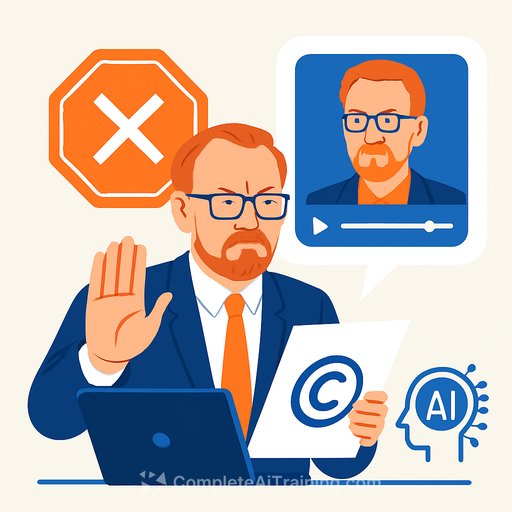
Ministers have hinted at stronger copyright measures - a win if it leads to fair compensation where AI is used. "MEAA welcomes the comments by Minister Ayers indicating the need to strengthen copyright and related regulation to guarantee workers fully benefit from AI developments, and we will continue to campaign for business and big tech to 'pay up'," said Erin Madeley, Chief Executive, MEAA.
The plan also announced an AI Safety Institute to act as a watchdog and monitor compliance with Australian law. MEAA supports the move but says stronger, proactive protections are still required to reduce harm and keep the creative economy stable.
Voluntary guidelines aren't enough
The government issued voluntary transparency and watermarking guidelines. MEAA's position: voluntary standards rarely protect workers or consumers. "MEAA calls on the government to work towards making these guidelines mandatory as a simple and effective step in mitigating some of the most well-known dangers of AI: the devaluation of human-made art, media and creative work, and the spread of misinformation and disinformation," said Madeley.
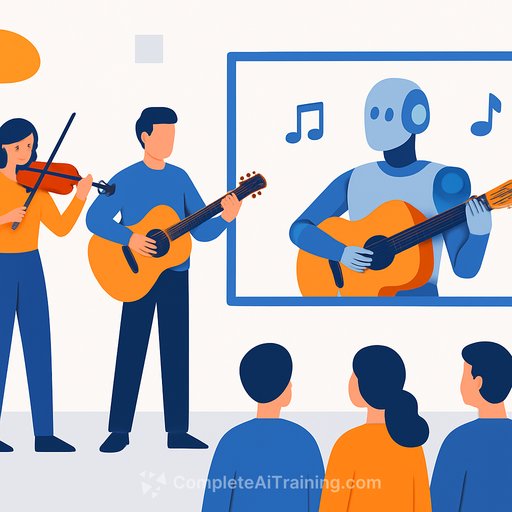
She warned that a voluntary approach risks weakening copyright and job security: "By opting for voluntary guidelines, the government risks undermining copyright protections by exposing Australian creative and media workers to being squeezed out by cheap, AI-generated replacements." She also argued Australians should be able to choose human-made creative work over AI-generated material.
Data transparency is the pressure point
There's still no clear line on how AI companies will disclose training data. Transparency is essential for copyright enforcement, privacy protection, and reducing bias. MEAA expects the government to clarify its position soon, which could give creatives and consumers greater confidence.
What you can do right now
- Label your work and metadata (content credentials, visible and invisible watermarks where possible).
- Update contracts: add AI-use disclosures, consent requirements, training-data restrictions, and fair-compensation clauses.
- Register your IP and keep dated project archives for proof of authorship and style precedence.
- Audit clients' AI policies before accepting work - ask how your work, voice, or likeness may be used or trained.
- Set "no training" terms on portfolios and feeds; use platform settings that limit scraping where available.
- Monitor for misuse with reverse image/video search and text tracking; file takedowns quickly.
- Participate in consultations and union actions to push for mandatory safeguards.
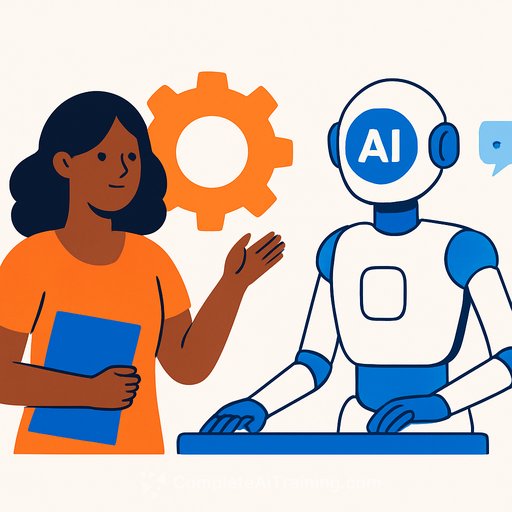
- Upskill on AI tools that amplify your process while keeping the human at the center. It helps you compete and negotiate.
Useful links
Level up your position
If you're adapting your workflow or building new offers around human-first creative work, you may find these helpful:
Bottom line
Mandatory safeguards are likely coming - but not fast enough for those already affected. Protect your rights, update your contracts, and make noise in the consultations. Human-made work deserves clear labels, strong pay, and legal protection. Let's make sure the rules say so.
Your membership also unlocks: