Mattel and OpenAI Team Up to Explore AI-Driven Toys and Experiences
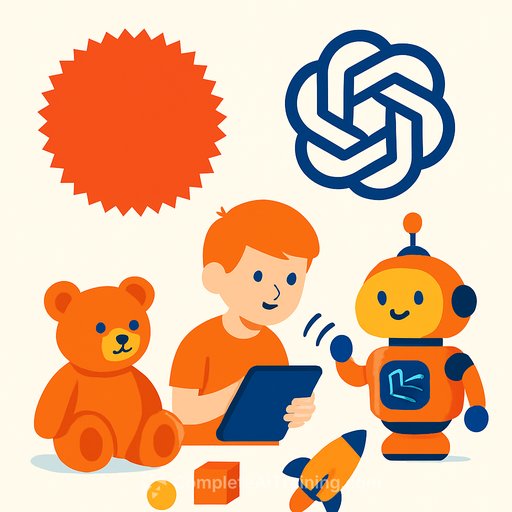
Mattel and OpenAI have announced a partnership to explore new toys and experiences powered by artificial intelligence (AI). While the collaboration is still in its early stages, a small team in California is actively working on concepts that could transform iconic brands like Barbie, Hot Wheels, American Girl, and Matchbox with AI integration.
What Product Developers Should Know About the Collaboration
The initial AI-enhanced products are expected to target users over 13 years old. This decision helps avoid stricter regulations and concerns about exposing younger children to AI-driven experiences they might struggle to understand. Alongside product development, Mattel is also using OpenAI’s advanced tools, including ChatGPT Enterprise, to improve its internal processes like product ideation and creative brainstorming.
A Mattel press release emphasized that the partnership aims to blend Mattel’s expertise in play with OpenAI’s technology to deliver innovative, safe, and privacy-focused AI experiences. Although the first AI-powered toy is anticipated to be announced in 2025, it may take longer before it becomes available in stores.
Using AI to Push Innovation and Engage Audiences
Josh Silverman, Mattel’s chief franchise officer, explained that AI presents an opportunity to enrich play experiences and extend the reach of Mattel’s brands. The partnership is seen as a way to integrate new technologies that support innovation and reimagine how people interact with toys.
Mattel is no stranger to AI; it has previously used tools from Google to gather and analyze customer feedback proactively. OpenAI’s collaborations span multiple sectors, including partnerships with Microsoft, universities, and media organizations. The growing presence of AI across industries—from contact centers to marketing copywriting—shows the broad impact of these technologies.
For product developers, Mattel’s move signals the importance of understanding AI’s role not just in product features but also in internal workflows. Exploring AI tools can lead to more creative and efficient development cycles while delivering richer customer experiences.
What This Means for Product Development Teams
- Focus on Age-Appropriate AI: Designing AI products with safety and privacy at the forefront, especially for younger users.
- Integrate AI into Workflow: Using AI tools for brainstorming and feedback analysis can accelerate innovation.
- Prepare for Longer Timelines: AI-powered toys are complex and will require careful development before hitting the market.
- Balance Tech and Human Connection: Maintaining an emotional connection with consumers remains crucial despite AI enhancements.
As AI continues to influence product development, professionals should stay informed about emerging tools and strategies. Resources like Complete AI Training offer courses and insights that can help teams understand and apply AI effectively in their projects.
Your membership also unlocks: