AI Optimization: The New Marketing Discipline You Can't Ignore
AI now sits between your brand and your market. Before someone visits your site, sees an ad, or talks to sales, an intelligent system decides what your company is, what you do, and whether you belong in the conversation.
That means visibility isn't earned the way it used to be. Credibility isn't either. The risk isn't traffic-it's misinterpretation.
Visibility Is No Longer Retrieved. It's Interpreted.
Search used to be retrieval. Rank, click, convert. Now, generative systems synthesize meaning. They pull signals from your site, press mentions, reviews, social profiles, structured data, and history to build a narrative about your brand.
That narrative gets summarized, compared, and recommended. Recency matters less. Consistency matters more. Machines reward clear, stable meaning across sources they trust.
The Hidden Risk Inside Your Existing Footprint
Legacy content lingers. Old service pages still signal relevance. Outdated press releases get indexed. Inconsistent bios and product descriptions create ambiguity across platforms.
AI doesn't fill gaps with context. It fills them with probability. When definitions conflict, systems choose. If you don't define the category, a competitor will.
Why Traditional Optimization Falls Short
SEO optimizes pages and queries. Content teams focus on output. Paid media buys reach. None of these govern interpretation across your entire footprint.
When performance is dragged down by misclassification, more content or budget won't fix it. The problem is meaning, not activity.
What AI Optimization Is (And Isn't)
AI optimization is the work of making your brand easy for machines to interpret, categorize, and trust. It operates upstream of channels and campaigns.
The focus: structure, definition, proof, and consistency. Clarify what you are, what you're not, and where you belong-then reinforce that meaning across the sources AI systems rely on most. This is not automation. It's governance. And it's imperative.
What Organizations Are Now Hiring For
- Correct classification inside AI summaries and comparisons
- Clear category ownership with zero ambiguity
- Reduction of misinterpretation caused by legacy content
- Consistent representation across search, assistants, and recommendations
- Ongoing monitoring as models evolve and signals shift
This work touches brand architecture, visibility frameworks, and data governance. It's strategy, not just ops.
Early Signals You Have an Interpretation Problem
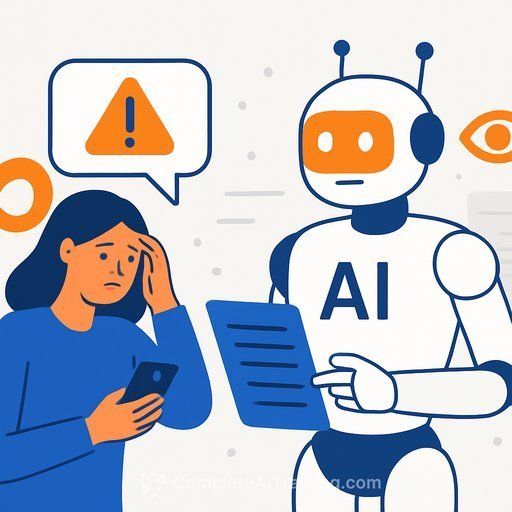
- AI-generated descriptions sound polished-but miss the mark
- Qualified leads arrive misaligned or asking for the wrong thing
- Competitors show up in AI answers where you used to dominate
- Visibility slides without an obvious performance culprit
These symptoms rarely come from one channel. They come from meaning interpreted in aggregate.
Why External Expertise Helps
AI systems interpret across ecosystems, not departments. Fixing misalignment means coordinating changes across owned content, earned mentions, structured data, and third-party references.
Internal teams are often too close to legacy language to spot contradictions. External eyes surface conflicts machines detect instantly-and help you reset meaning with speed.
The Cost of Waiting
Misinterpretation compounds. Once incorrect meaning propagates, it's harder to undo. Visibility erodes quietly. Category position weakens long before pipeline shows the damage.
Teams that act early focus on prevention, clarity, and control. Teams that wait tend to react in a rush.
Practical First Moves for Marketing Leaders
- Audit how major assistants and search experiences describe your brand, products, and category
- Standardize your one-sentence, one-paragraph, and one-page brand definitions-and use them everywhere
- Retire or update legacy pages that signal outdated services or markets
- Unify product names, categories, and claims across your site, docs, profiles, and PR
- Add structured data where it clarifies identity, products, reviews, and FAQs (Structured data basics)
- Prioritize third-party proof: analyst mentions, directories, trusted databases, and accurate listings
- Create an interpretation dashboard: track AI summaries, category placement, and recurring mislabels
- Set governance: who approves definitions, who maintains them, and how often they're reviewed
About TILTD
TILTD works with organizations operating in the Interpreter Era, where AI mediates discovery, credibility, and category placement. The firm structures and governs brand meaning so systems interpret businesses accurately, consistently, and in alignment with reality.
Built at the intersection of brand strategy, visibility systems, and AI interpretation, TILTD helps companies protect how they are understood before decisions are made. If AI is misreading your brand, waiting makes it worse.
Next Step
One conversation is enough to see where meaning breaks, how you're being categorized today, and what to correct first. If Authority Marketing applies to your situation, you'll know fast.
If you're building internal capability alongside this work, explore practical AI upskilling for marketers here: AI Certification for Marketing Specialists, or align leaders on strategy and governance with the AI Learning Path for Business Unit Managers.
Your membership also unlocks: