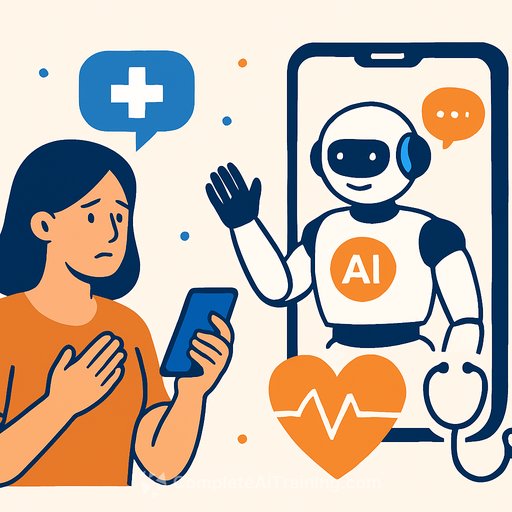
Medicare's AI Prior Authorization Pilot: Cost Savings vs. Care Access
Medicare has launched a six-year pilot that changes how some care is approved in traditional Medicare. Starting January 2026, providers in six states must get prior authorization for 14 procedures and devices. Artificial intelligence will help review requests and flag what it deems unnecessary or harmful. The goal is to curb waste. The risk is denying needed care.
Who's affected and when
The pilot applies to traditional Medicare beneficiaries in Arizona, New Jersey, Ohio, Oklahoma, Texas, and Washington. It runs through December 2031. It targets selected services often overused, like steroid injections for pain and certain incontinence-control devices. Arthroscopic treatment for osteoarthritic knees is another example.
What's changing (and what isn't)
Coverage rules stay the same. What changes is the extra step before care is delivered. Providers must submit prior authorization and wait for a decision. If denied, the patient doesn't receive that treatment unless an appeal is filed and approved.
How the AI review works
Medicare has hired tech companies-many already used by Medicare Advantage plans-to help approve or deny requests. AI sorts cases; humans review the tougher ones. The companies are paid a percentage of what Medicare would have spent on denied treatments, creating a clear incentive to deny. CMS says it will monitor for inappropriate denials and outcomes.
Why this could help
- Fewer low-value services: Prior authorization can reduce procedures that offer little benefit.
- Budget relief: Lower utilization can slow Medicare's cost growth, which matters to taxpayers.
- Cleaner accounting: In this pilot, payments to private firms are tied to a fixed, observable share of savings and can't exceed total savings-easier for Medicare to quantify.
Where it could go wrong
- Necessary care denied: AI and reviewers may miss edge cases where treatment is appropriate.
- Delays: Extra paperwork and back-and-forth can push care further out.
- Provider burnout: More administrative work for already strained clinics and hospitals.
- Higher denial rates: Early evidence from private insurers suggests AI-aided reviews can deny more care than traditional methods, though research is limited. See oversight concerns raised in Medicare Advantage denials by the HHS Inspector General here.
What to watch
- Denial rates and overturn rates on appeal.
- Decision times (speed matters for outcomes).
- Changes in use of targeted services and downstream costs (e.g., more ER visits if pain care is delayed).
- Patient harm signals: complications, readmissions, or symptom worsening.
- Equity: Are denials higher for certain groups, geographies, or provider types?
- Provider burden: time to submit, support calls, rework, and appeal volume.
Practical steps now
- Providers: Stand up a fast prior auth workflow. Pre-check documentation requirements. Use templates for medical necessity. Track denials and appeals by indication. Escalate patterns where appropriate care gets blocked.
- Patients: Ask your clinician if prior authorization is required and how long it takes. If denied, request the reason in writing and discuss alternatives. Learn how to appeal a Medicare decision here.
- Health system and agency leaders: Require transparency on AI criteria, set service-level agreements for turnaround times, audit adverse events after denials, and use independent review for high-risk categories. For role-based research and oversight resources to support those steps, see Complete AI Training - Research.
The trade-offs
This pilot will likely reduce use of the targeted services and lower spending. Tech vendors may benefit if denials rise. Providers face more admin work and potential revenue loss. For patients, the net effect hinges on how well AI distinguishes low-value from necessary care-and how quickly errors are corrected.
Bottom line
The idea is simple: cut waste without blocking needed care. Execution is the hard part. Before expanding, Medicare should validate results across states and services, with clear evidence on health outcomes, access, and equity. If it works, taxpayers win. If it doesn't, patients pay the price.
If you lead operations or policy and need structured upskilling on AI use and oversight in healthcare or government, explore role-based options at Complete AI Training.
Your membership also unlocks: