
AI news ·
Melania Trump releases AI-narrated memoir audiobook sparking debate over the future of storytelling
Melania Trump released her memoir as an AI-narrated audiobook, calling it “the future of publishing.” She also cautioned about AI’s risks, especially for children’s development.
Melania Trump Launches AI-Narrated Audiobook of Her Memoir
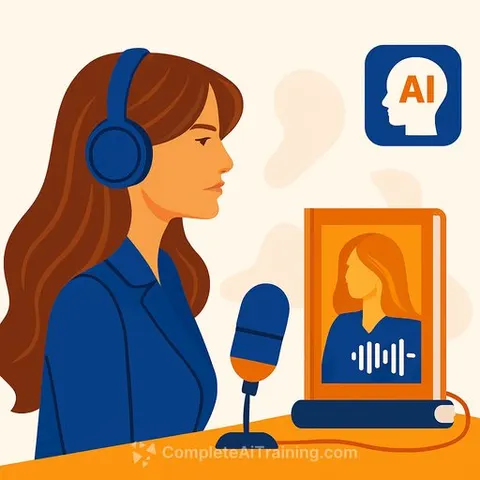
Melania Trump has released an audiobook version of her memoir, narrated entirely by artificial intelligence mimicking her own voice. She called this approach “the future of publishing” in a recent post on X, sharing a video that highlights the technology behind the narration.
The English audiobook, titled Melania, runs about seven hours and is available for $25 through her personal website. Versions in Spanish, Portuguese, Hindi, and other languages are also in progress, powered by the AI company ElevenLabs.
Originally published in October 2024 amid the presidential election, the memoir explores Melania Trump’s early life in Cold War-era Yugoslavia, her relationship with Donald Trump, and her personal views on topics including women's rights. Notably, she emphasized the importance of reproductive autonomy, stating, “It is imperative to guarantee that women have autonomy in deciding their preference of having children, based on their own convictions, free from any intervention or pressure from the government.”
First Lady Voices Caution on AI Despite Audiobook
Earlier this week, President Donald Trump signed the bipartisan Take it Down Act, which criminalizes the creation and distribution of nonconsensual AI-generated or real images, often referred to as “deep fakes.” Melania Trump attended the signing and spoke about the risks of artificial intelligence and social media, particularly their impact on children.
She described AI and social media as “digital candy for the next generation, sweet, addictive, and engineered to have an impact on the connectivity development of our children.” However, she warned these technologies can be “weaponized to shape beliefs and, sadly, affect emotions and even be deadly.”
AI Narration Sparks Industry Debate
Melania Trump’s AI-narrated audiobook release arrives amid growing controversy over the use of AI voices in audiobook production. Amazon-owned Audible recently announced plans to integrate AI narration through select partnerships, aiming to broaden audiobook availability in multiple languages.
This initiative has raised concerns among authors, translators, and voice actors. Joanne Harris, author of Chocolat, criticized Audible’s move as “shortsighted,” suggesting it may discourage people from listening to audiobooks altogether. She argued that reducing storytelling to “the simple delivery of code” risks losing what makes audiobooks compelling.
Voice actor Kristin Atherton echoed this sentiment, emphasizing the artistry involved in human narration. She noted that skilled narrators bring emotion, timing, and character differentiation that AI currently cannot replicate, qualities that contribute significantly to an audiobook’s appeal.
What Writers Should Consider
- AI narration is evolving: While it offers cost and language flexibility, it currently lacks the emotional depth of human narrators.
- Rights and ethics matter: The Take it Down Act highlights legal concerns around AI-generated content, including unauthorized use of voices.
- Stay informed: Writers and publishers should monitor AI developments closely, especially as companies like Audible expand AI usage.
This moment marks a shift in audiobook production, but human storytelling and performance remain essential. Writers interested in how AI tools can support their work without compromising quality can explore resources and courses to better understand AI’s role in publishing and narration.
For those looking to expand their knowledge of AI applications in writing and publishing, check out Complete AI Training for relevant courses and updates.