Microsoft Set to Sign EU AI Code as Meta Continues to Resist
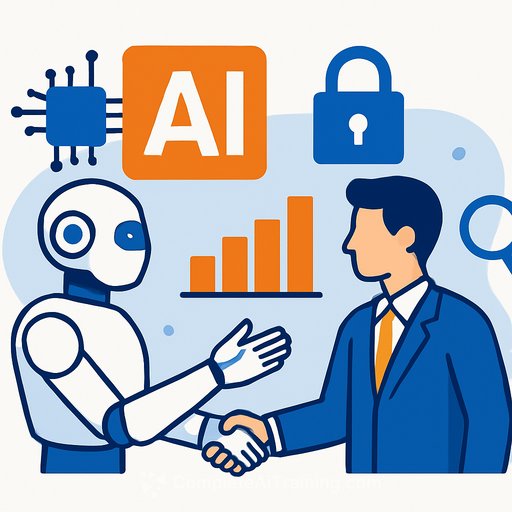
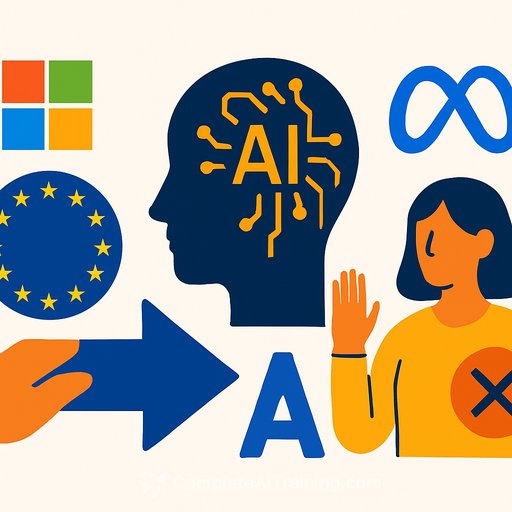
Microsoft is preparing to sign the European Union’s AI Code of Practice, signaling support for the EU’s new AI regulations. Brad Smith, Microsoft’s President, expressed that signing is likely once the company reviews the documents in detail. Meanwhile, Meta Platforms has firmly rejected the EU’s guidelines.
OpenAI and Mistral Lead with Early Adoption
The European Commission introduced the General-Purpose AI (GPAI) Code of Practice on July 10, aiming to provide clear legal frameworks and encourage compliance with the AI Act established in 2024. Signatories must disclose summaries of their AI training data and comply with EU copyright laws.
OpenAI and Mistral are among the companies that have already signed the code. In contrast, Meta argues the code imposes excessive regulations that could hinder innovation and create legal uncertainties for AI model developers. Joel Kaplan, Meta’s Global Affairs Chief, criticized the EU’s approach as overly broad and potentially damaging to business growth.
Adding to the debate, ASML Holding and Airbus have requested the EU to pause the implementation of the AI code for two years, reflecting concerns from some European industry players.
Microsoft’s Expansive AI Investments Amid Workforce Changes
Microsoft is investing approximately $80 billion (£68.6 billion) in data centers to support AI model training. Despite this heavy investment, the company plans to reduce its workforce by 15,000 employees this year—over 4% of its total staff—with significant layoffs in the Xbox division. Projects like the Perfect Dark reboot and Everwild have been affected.
Some speculate these layoffs connect to AI-driven productivity gains, but Microsoft states AI efficiency was not a primary factor. Still, the company acknowledges that internal AI tools have improved productivity in sales, customer support, and software development.
Chief Commercial Officer Judson Althoff reported over $500 million saved in call center operations, alongside better employee and customer satisfaction. Microsoft is also applying AI to enhance interactions with smaller clients and accelerate software development, with AI generating approximately 35% of new product code.
Last year, Microsoft appointed British AI expert Mustafa Suleyman to lead its AI initiatives and made a substantial investment in OpenAI, the creator of ChatGPT. However, recent reports suggest tensions have emerged between the two organizations.
For professionals looking to stay current with AI developments, exploring relevant courses and certifications can provide an edge. Check out the latest AI courses to deepen your knowledge and skills.
```Your membership also unlocks: