Moose Jaw’s Bold Move Toward AI and Sustainable Development
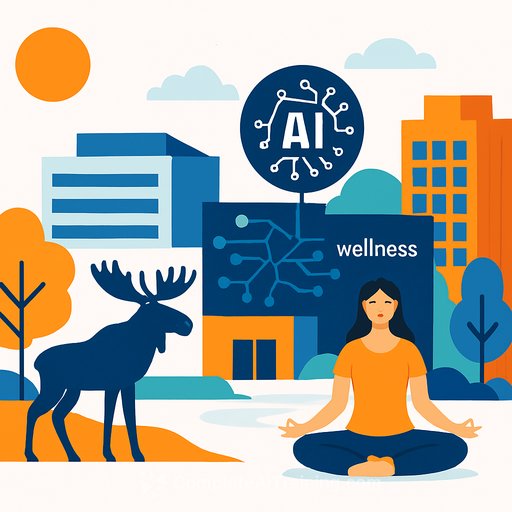
Moose Jaw is positioning itself to become a key player in Canada's artificial intelligence sector with an ambitious redevelopment project at the former Valley View Centre site. Carpere Canada, operating as Carpere Valley Development Corporation, unveiled plans for a $485 million transformation that aims to establish Moose Jaw as the country’s first “AI wellness town.” The project launch took place on June 19 at the Grant Hall Hotel.
The 150-acre site, known as “Carpere Valley,” will see 100 acres redeveloped. Existing buildings—totaling over 29,430 square meters (327,000 square feet)—will be renovated alongside new construction. Central to the plan is a 150-megawatt AI data centre, which will also supply heat to an integrated sustainable greenhouse agriculture system. This approach combines AI technology with regenerative healthcare and sustainable agriculture.
Early phases could generate around 50 jobs, with projections exceeding 1,000 new roles in technology and healthcare once fully operational. Construction and renovations are expected to span five to eight years, with Phase 1 possibly starting as early as late 2025 or early 2026.
Community and Leadership Backing
Christian Yuan, CEO of Carpere Canada, expressed a strong connection to Moose Jaw, citing its rich Chinese-Canadian heritage. He emphasized the company’s commitment to turning the Grant Hall Hotel into a major attraction and establishing the site as Canada’s leading AI data hub. Yuan pointed to the city’s land, people, and leadership as key assets supporting this vision.
Deputy Mayor Heather Eby praised the project’s potential and the thoughtful reuse of the Valley View Centre site. She highlighted the importance of preserving the natural beauty of the area while creating significant economic opportunity. Eby sees Carpere’s initiative as a chance to provide jobs for future generations and encourages local businesses to support the endeavor.
Technical and Financial Approach
Project manager Adrian Lai described the plan as ambitious but practical. Carpere intends to self-finance the redevelopment and has already submitted rezoning applications, with a public hearing expected in September. Renovations will focus on preserving the existing structures to avoid disturbing the surrounding green spaces and neighborhoods.
Energy demand is a major consideration, especially for the AI data centre, which requires significant electrical power. The company is collaborating closely with SaskPower to address this challenge. Moose Jaw’s colder climate is advantageous, as cooling data centres typically account for around 35% of their operating costs. Utilizing natural cooling conditions will help optimize energy efficiency.
Security measures have been enhanced to prevent vandalism, and safety is expected to improve as the site becomes active with workers.
Long-Term Planning and Infrastructure
Consultant Alan Wallace stresses the need for patience and commitment to long-term growth given the site's aged infrastructure—over 70 years old. The initial focus will be on renewing buildings and restoring essential services like water and sewer to support both work and potential residential use.
Strategic Importance of AI and Critical Minerals
Greg McIntyre, outgoing president of the Saskatchewan Chamber of Commerce, highlighted Saskatchewan’s wealth of rare earth minerals—27 of the 34 Canada requires for AI-related industries. This resource advantage complements Moose Jaw’s emerging AI plans and supports the province’s role in AI-intensive sectors.
A Generational Opportunity for Moose Jaw
Rob Clark, CEO of the Moose Jaw Chamber of Commerce, called the project extraordinary and one of the most ambitious in the city’s history. The redevelopment promises substantial job creation and economic diversification beyond established sectors like the airbase and railyards. Clark views this as a pivotal moment for Moose Jaw’s future growth and sustainability.
For professionals in real estate and construction, this development signals significant opportunities in adaptive reuse, large-scale construction, and infrastructure modernization. It also showcases how integrating technology with sustainable practices can drive community revitalization.
To explore further opportunities in AI and its applications across industries, consider checking out comprehensive AI training courses tailored for various skill levels.
Your membership also unlocks: