Morocco Climbs 14 Spots in 2025 Government AI Readiness Index, Driven by Strategic National Initiatives
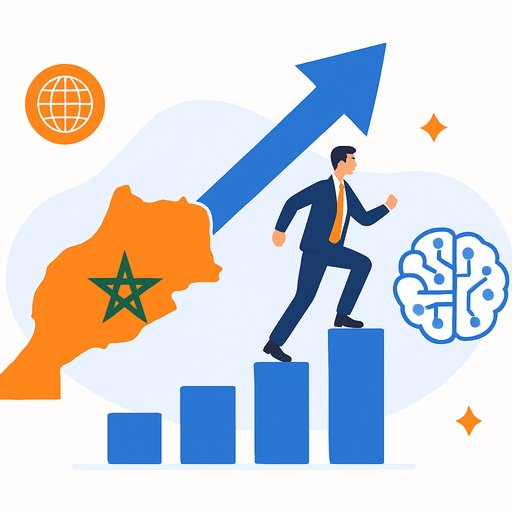
Morocco has moved up 14 places in the 2025 Government AI Readiness Index, a clear sign that national policy and execution are starting to sync. Speaking at the fifth General Assembly of the Digital Cooperation Organization (DCO) in Kuwait, Minister Delegate Amal El Fallah Seghrouchni linked the jump to Morocco's AI-focused strategy and deeper international partnerships, especially within the DCO.
What moved the index
- Modernized legal and regulatory frameworks to support AI adoption, data use, and public procurement that fits AI's lifecycle.
- Investment in digital and AI skills across the public sector, research ecosystem, and talent pipelines.
- Clear emphasis on responsible and ethical innovation, including mechanisms for testing and oversight.
- Governance to supervise the export of AI solutions, with a focus on offshoring and digital services activities.
From strategy to delivery
Two flagship projects show the move from planning to execution. The Digital for Sustainable Development Hub (D4SD), launched with the United Nations Development Programme (UNDP), positions Morocco as a regional hub supporting Arab and African countries in using digital and AI to meet sustainable development goals.
In parallel, the Al Jazari Institutes Network-built under the "AI Made in Morocco" initiative-connects research institutions, startups, and public and private stakeholders. The goal: design and deploy sovereign, reliable, and inclusive AI solutions while nurturing innovation, research, and local talent.
Why it matters for governments
- AI policy is now a strategic and geopolitical issue tied to digital trust, data sovereignty, and national competitiveness.
- Public governance is under pressure to ensure safe, auditable AI while keeping delivery fast and cost-effective.
- Workforce transformation is no longer optional; it needs structured upskilling, new roles, and clear accountability.
- The challenges cross borders, which makes interoperability and joint standards work through bodies like the DCO essential.
Practical next steps for public leaders
- Prioritize 3-5 AI use cases with measurable public value (e.g., fraud detection, service triage, inspections) and set delivery timelines.
- Update procurement to enable outcome-based contracts, reusable models/components, and continuous model improvement.
- Stand up a lightweight AI assurance process: risk assessment, human oversight points, red-teaming, and incident reporting.
- Publish a government data access playbook so teams know what they can use, how to anonymize, and who signs off.
- Invest in skills across roles. If your team needs a structured starting point, explore the AI Learning Path for Training & Development Managers and the AI Learning Path for Training Coordinators.
- Engage in regional cooperation (e.g., DCO working groups) to align on standards, share playbooks, and co-develop guardrails.
Cooperation is the multiplier
The fifth DCO General Assembly, held February 4-5 in Kuwait, brought together ministers, international organizations, and public-private partners from more than 60 countries. The agenda made one thing clear: cross-border cooperation is now a prerequisite for inclusive, secure, and sustainable AI adoption in government.
For broader context, see the Government AI Readiness Index from Oxford Insights here and learn more about the Digital Cooperation Organization here. These resources can help benchmark your progress and plug into active international initiatives.
Morocco's momentum shows what happens when policy, skills, and collaboration line up. The playbook is public. The next move is execution.
Your membership also unlocks: