
AI news ·
MPA chief calls AI a creative tool for film while urging copyright and consent protections
MPA chief Charles Rivkin says AI can enhance storytelling but studios won't adopt tools that use their characters without consent. Attribution and licensing are non-negotiable.
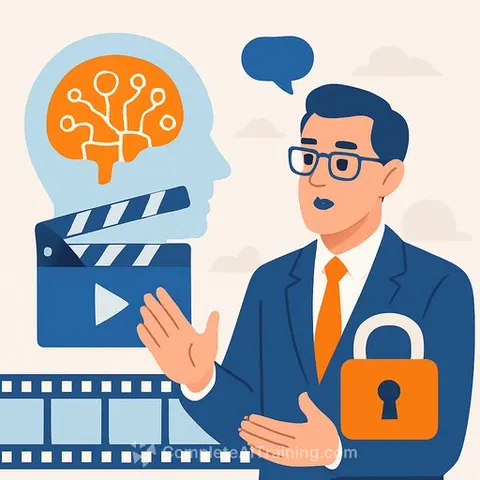
MPA Chief Frames AI as Creative Tool, Not Threat - With Conditions
Charles Rivkin, Chairman and CEO of the Motion Picture Association, told cinema operators this week that AI can "bolster the art of storytelling" and "improve the fan experience." He also made clear the industry will fight to protect copyrighted characters and enforce consent before studios deploy the technology widely.
Rivkin positioned AI as a creative enhancement rather than a replacement for human creators. The framing matters: it signals how the six major studios - Disney, Warner Bros, Paramount, Netflix, Amazon, and Comcast - plan to approach AI integration.
What Studios Actually Want
The MPA's stance centers on three operational requirements: attribution, licensing, and clear provenance for any AI system using studio intellectual property. Studios will not adopt tools that generate their characters or assets without explicit consent.
This reflects real legal and labor friction. Ongoing copyright litigation over unauthorized character generation, combined with memories of the 2023 writers and actors strikes, has made studios cautious about how AI enters their workflows.
Studios see cost savings and new fan experiences as the upside. They see job displacement and loss of bargaining power as the risk. Rivkin's message balanced both.
What Comes Next
Expect the MPA and its members to pursue three strategies: stronger licensing frameworks that require consent before use, litigation against platforms that allow unlicensed character generation, and advocacy for policy changes that protect creator rights.
If you build AI tools for entertainment, the implication is clear: metadata, licensing workflows, and consent mechanisms need to be built in from the start, not bolted on later.
Rivkin also reminded the industry that past disruptions - from sound to television to streaming - led to new creative forms and business models. The argument is that AI will follow the same pattern, provided it operates within clear legal boundaries.
For creatives working with generative art and AI-assisted production, the takeaway is direct: studios will adopt these tools, but only on their terms. Understanding AI for creatives means understanding the consent and licensing layer as much as the technology itself.