MPs Reject Proposals to Protect Creatives’ Copyright from AI
Proposals aimed at protecting the creative industries from artificial intelligence (AI) impacts have been rejected by Members of Parliament (MPs). The debate centered on the need for both the creative and AI sectors to succeed in order to boost Britain’s economy.
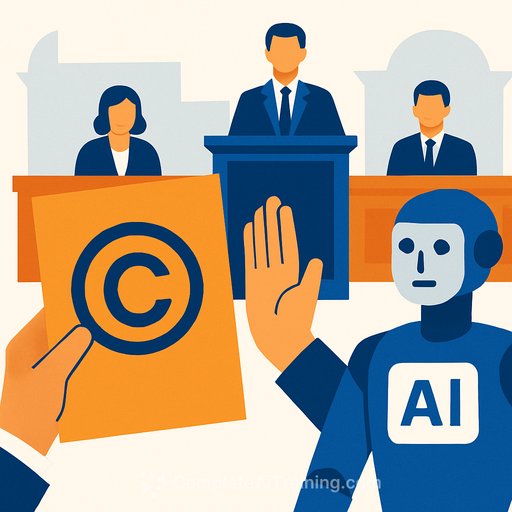
Technology Secretary Peter Kyle urged MPs to dismiss the Lords’ amendment, which sought to introduce transparency requirements. This amendment would have allowed copyright holders to know when and by whom their work was used by AI. MPs voted 195 to 124 against the amendment, aiming to end ongoing disagreements between the two Houses of Parliament.
Balancing Creative Rights and AI Growth
Mr. Kyle emphasized that setting the creative industries against AI companies is harmful to both sectors. He said, “Growing Britain’s economy needs both sectors to succeed and to prosper.” The Government’s goal is to create an environment where creatives and AI firms can invest, grow, and thrive together.
He acknowledged the need for a balanced approach that includes content and creativity, transparency, training, and fair rewards. However, he noted that the current Bill is not the right place for these measures. Instead, he pledged to establish expert working groups involving both creatives and technologists to develop practical solutions on transparency, licensing, and standards.
Concerns from MPs Representing Creatives
Labour MP James Naish highlighted concerns from his constituents about AI development infringing on their rights. Mr. Kyle responded that much content has already been used by AI models, often from other countries, and that existing law covers this to some extent.
Dame Caroline Dinenage, Chairwoman of the Culture, Media and Sport Committee, argued that creatives need clear, accurate, and accessible information about how their copyrighted works are used. She warned that waiting for future legislation could jeopardize the livelihoods of the UK's 2.5 million creative workers.
Conservative MPs also pressed the Government on its commitment to enforcing copyright proactively. Mr. Kyle stressed the importance of having a legal system fit for the digital age and promised to deliver clear legislation swiftly so both creatives and AI companies can move forward with certainty.
Debate Over the Bill’s Scope
Some MPs, like Joe Robertson, criticized the Bill for favoring large tech companies by allowing them to use copyrighted content without sufficient protections for creatives. Mr. Kyle countered that the Bill does not specifically mention AI or copyright, and therefore cannot address those issues directly.
SNP MP Pete Wishart called the Government’s response inadequate, describing the Lords’ transparency amendment as reasonable. Mr. Kyle maintained that the Government believes a better, more comprehensive approach is needed—one that provides real protections and transparency while considering the broader picture.
He also noted that much creative content on the internet has already been collected globally and that the UK cannot enforce copyright beyond its borders. His focus is on crafting well-considered legislation rather than rushing measures that may not improve the current situation.
Missed Opportunities Highlighted by Opposition
Shadow Technology Minister Ben Spencer welcomed the economic benefits expected from the Bill but called it a “Bill of missed opportunities.” He pointed out that the Bill fails to fix issues with public datasets, protect children on social media, or provide clarity for the creative and AI sectors to collaborate successfully.
What This Means for Creatives
The rejection of transparency amendments means creatives currently lack guaranteed insight into how their work is used by AI systems. However, the Government’s plan to create expert groups suggests that more targeted, enforceable copyright protections and transparency measures could emerge.
For creatives working with or affected by AI, staying informed on these developments is crucial. Understanding how AI tools interact with copyrighted content will help you navigate your rights and opportunities. You can explore courses on AI and its impact on creative work at Complete AI Training.
- MPs voted against transparency amendments that would track AI use of copyrighted works.
- Government plans expert working groups to develop balanced and practical copyright solutions.
- Concerns remain among creatives about their rights being overlooked in AI development.
- Effective legal protections for creatives interacting with AI are still pending.
As this issue evolves, creatives should watch for new legislation and guidelines that clarify how AI can use copyrighted content. Meanwhile, building knowledge in AI tools and copyright law will be valuable to protect your work and adapt in a changing creative landscape.
Your membership also unlocks: