
AI news ·
NASA uses AI and satellites to detect harmful algae blooms before they spread
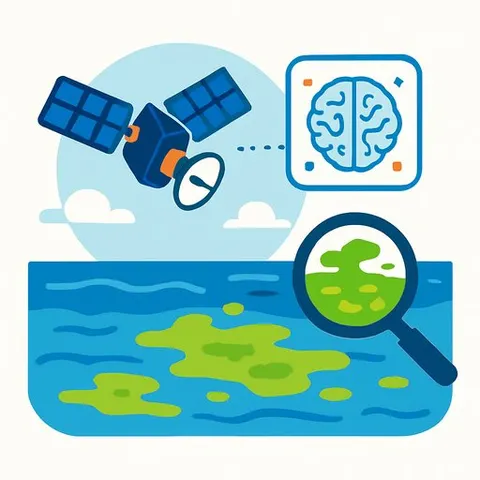
NASA is using AI and satellite imagery to detect harmful algae blooms before they contaminate water supplies. Machine learning scans thousands of images in hours, flagging temperature and chlorophyll patterns that signal bloom formation.
NASA uses AI to predict harmful algae blooms before they spread
NASA is deploying artificial intelligence and satellite imagery to detect harmful algae blooms early, before they contaminate water supplies and threaten ecosystems. The agency combines machine learning with Earth observation data to analyze water temperature, chlorophyll levels, and other parameters that signal bloom formation.
Harmful algae blooms occur when algae multiply rapidly in freshwater or marine environments. Some species produce toxins that poison drinking water, kill fish, and sicken humans and animals. Warm water, nutrient pollution from agricultural runoff, and climate change are accelerating their frequency worldwide.
How the system works
Satellites collect images of water bodies across vast areas faster than field teams can survey them. NASA researchers feed this data into machine learning models trained to recognize visual patterns associated with blooms-color shifts, temperature anomalies, and chlorophyll concentrations.
The AI interprets these satellite images and predicts where blooms will appear before local populations notice them. Paula Bontempi, a NASA oceanographer, said space-based observations are essential for understanding harmful algae blooms at regional and global scales.
Processing satellite data manually would take months. Machine learning systems do it in hours, identifying patterns across thousands of images automatically.
The health and economic stakes
Toxic algae cause skin irritations, breathing problems, vomiting, and illness in humans. Neurotoxins and hepatotoxins in certain blooms affect marine life and domestic animals. Large outbreaks have already hit the U.S., Canada, and Australia.
Early warning systems reduce field sampling costs and help communities prepare for contamination. They also support climate resilience planning as blooms become more frequent.
What's next
NASA has partnered with universities and environmental agencies to develop models that predict bloom behavior based on past patterns and weather conditions. The agency expects AI alerts will help governments take preventive action.
Early detection cannot eliminate harmful algae blooms, but it gives communities time to protect water supplies and reduce public health risks. Combining satellite imagery, machine learning, and environmental science creates a practical tool for resource conservation.
For researchers working on environmental monitoring, understanding how machine learning processes large datasets is increasingly essential. Explore AI Data Analysis Courses and AI Research Courses to build skills in this growing field.