U.S. Pushes Defense Contractors to Close Gap With China in Autonomous Weapons Race
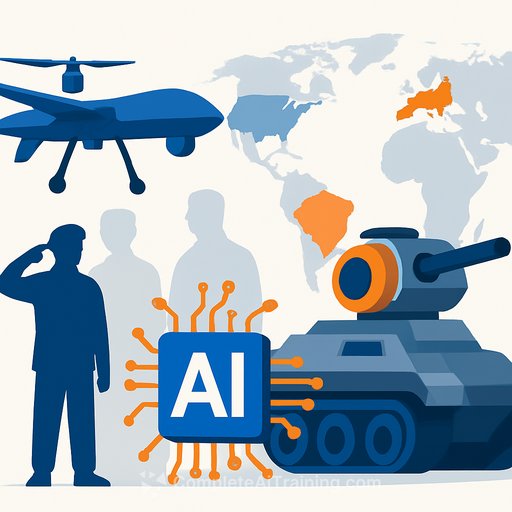
The United States is accelerating production of AI-powered autonomous drones after Pentagon officials concluded that China has pulled ahead in military drone technology. A Chinese military parade in September, where President Xi Jinping displayed drones capable of flying autonomously alongside fighter jets, prompted U.S. defense officials to push domestic contractors to speed up development.
Anduril, a California defense technology company, began manufacturing AI-backed self-flying drones at a new factory outside Columbus, Ohio last month - three months ahead of schedule. The accelerated timeline reflects official concern about falling behind China and Russia in autonomous weapons systems.
The Scope of the Competition
The global arms race over AI-backed autonomous weapons extends far beyond drones. Nations are developing self-flying fighter jets that coordinate attacks at speeds and altitudes beyond human pilot capability, and AI systems that analyze intelligence to recommend airstrike targets without human command.
The United States and China lead the competition, but the field has widened. Russia and Ukraine, now five years into their war, are investing in military AI for tactical advantage. India, Israel, Iran, France, Germany, Britain, and Poland are all investing in autonomous defense systems.
Russia is thought to be ahead of the United States in building factories capable of producing advanced drones at scale, according to three U.S. defense and intelligence officials.
What Autonomous Weapons Do
These systems operate with minimal human oversight. They identify and strike targets, coordinate multi-aircraft attacks, and recommend military actions based on intelligence analysis - all without waiting for human approval.
The technology reduces decision-making time in combat scenarios where speed determines outcomes.
Broader Strategic Concerns
The weapons buildup has drawn comparisons to the early nuclear arms race. Unlike nuclear weapons, which nations have largely contained through treaties and agreements, autonomous weapons systems lack similar international restrictions.
European nations are simultaneously rearming amid uncertainty about U.S. commitment to NATO under the Trump administration, adding another layer to the competition.
For government professionals overseeing military procurement or defense policy, understanding AI for Government systems is becoming essential to informed decision-making on these capabilities.
Your membership also unlocks: