
AI news ·
Nature survey finds FOMO driving scientists' growing use of AI
A survey of over 1,900 researchers found FOMO drives AI adoption. Many have ethical doubts but feel forced to use the tools to stay competitive.
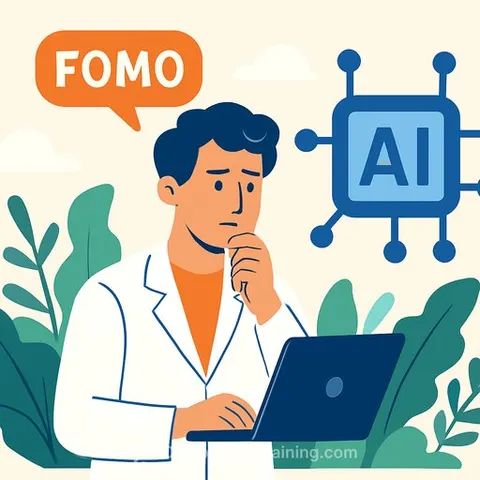
A survey of more than 1,900 researchers reveals that the fear of missing out - FOMO - is a primary driver behind scientists' growing adoption of artificial intelligence, according to a report published in Nature. The findings highlight a widening gap between researchers' ethical reservations and the competitive demands of modern academia.
Nearly half of the respondents told the journal they hold negative views or serious concerns about AI's consequences. Yet many of those same scientists said they feel compelled to use the tools anyway, simply to keep pace with colleagues and institutions. The dynamic creates what some describe as an arms race in labs and publishing.
Between concern and competitiveness
The accelerating development of research technologies has reshaped academic environments, pushing investigators to adopt digital tools even when they question their impact. For many, the choice comes down to career survival. A researcher might worry about algorithmic bias or the loss of critical thinking, but the pressure to publish faster and win grants outweighs those doubts.
Scientists seeking to use AI responsibly without sacrificing rigor can turn to dedicated guidance. Resources like AI Research Tools offer courses on literature review, data gathering, and academic writing that help teams integrate the technology into existing workflows.
A field without consensus
The survey underscores how far the research community remains from a unified stance on AI. While some departments are banning certain tools, others are embedding them into every stage of the scientific process. That inconsistency leaves individual researchers to make high-stakes decisions with little institutional support.
The report notes that negative feelings about AI do not necessarily translate into rejection of the technology. Instead, researchers are adopting a pragmatic, wait-and-see posture while monitoring what peers do. The result is a climate where unease and uptake grow side by side.
Why this matters for scientists and researchers
Understanding that FOMO is a widespread motivator can change how you evaluate your own AI use. Rather than simply following trends, you can set clear boundaries around where the technology supports your work and where it introduces unacceptable risk. Training programs like AI for Science & Research can help build the skills to make those judgments confidently, using AI as a complement to expertise, not a replacement. In a community defined by evidence, the best response to FOMO may be treating AI adoption as an experiment itself - one that demands the same skepticism and rigor you apply to any research question.