
AI news ·
Navigating AI Hiring in 2025: New Jersey's Landmark Guidance on Preventing Algorithmic Discrimination Under the Law Against Discrimination
New Jersey’s new initiative targets AI bias in hiring, holding employers liable for discriminatory outcomes. Clear policies and oversight are key to compliance.
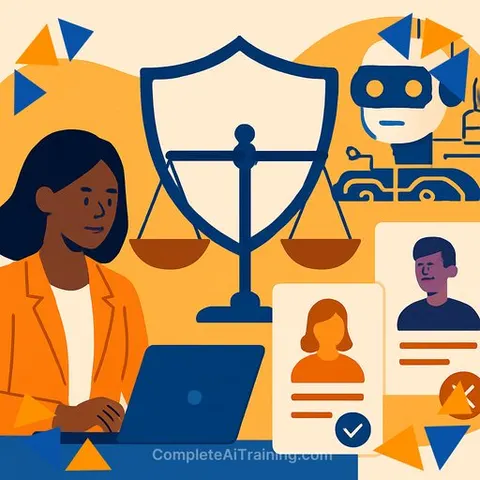
On January 9, 2025, New Jersey’s Attorney General Matthew J. Platkin and the Division on Civil Rights (DCR) launched the Civil Rights and Technology Initiative. This initiative targets discrimination and bias linked to artificial intelligence (AI) and advanced technologies, focusing on how these tools impact hiring and employment decisions under the New Jersey Law Against Discrimination (LAD).
Algorithmic Discrimination Explained
The guidance clarifies that the LAD applies to discrimination caused by AI or automated decision-making tools in the workplace. Employers can be held liable for discriminatory outcomes even if they did not create or understand the AI system causing it. This means organizations must review how AI is used in hiring and other employment processes to avoid legal risks.
Types of Algorithmic Discrimination
AI can lead to two main types of discrimination:
- Disparate Treatment: When AI tools treat members of protected classes differently, such as screening only certain races or genders with AI.
- Disparate Impact: When AI criteria appear neutral but disproportionately exclude protected groups, like rejecting bids from women-owned businesses.
Even if AI doesn’t explicitly use protected characteristics, it may rely on proxies that indirectly discriminate.
Reasonable Accommodations and AI
The guidance warns that AI may inadvertently block reasonable accommodations. For example, AI used in hiring might exclude applicants who could succeed with accommodations. Similarly, AI monitoring employee productivity could unfairly discipline those needing extra breaks for disabilities.
Employer Liability
Employers cannot transfer liability to AI vendors or developers. Even without full knowledge of the AI’s inner workings, employers remain responsible for any discrimination resulting from its use.
Best Practices for Employers
To reduce risks, employers should take practical steps:
- Form a cross-functional AI oversight group with legal, HR, privacy, communications, and IT experts.
- Put clear AI policies and procedures in place.
- Train employees on AI tools and algorithmic bias; restrict AI use to trained staff only.
- Vet AI vendors and tools thoroughly before adoption.
- Include contract clauses requiring vendor compliance with all employment laws, transparency about algorithms, regular third-party audits, and indemnification backed by insurance.
- Act quickly to fix any issues found in audits or tests.
- Check employment practices liability insurance for coverage related to AI discrimination claims.
- Maintain a human element in decisions involving AI to ensure fairness and accountability.
Employers in New Jersey should take these guidelines seriously to prevent legal exposure and support fair hiring practices. For HR professionals and insurance specialists, understanding these rules and implementing strong oversight is essential as AI becomes more common in employment decisions.
For more information on AI and employment compliance, consider exploring AI courses tailored for HR and legal professionals.