Nestlé Uses Generative AI to Improve Sustainable Packaging
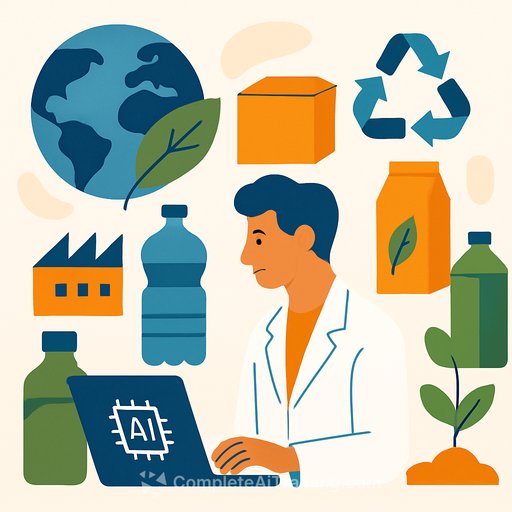
Nestlé is advancing its packaging strategy by developing a generative AI tool aimed at optimizing sustainable packaging materials. The focus is on reducing plastic use and identifying recyclable options like paper-based and mono-material solutions that maintain product safety and quality.
The company partnered with IBM Research to build AI-driven processing techniques that consolidate data from public and internal sources about known packaging materials. This tool employs a chemical language model to analyze structural molecular features alongside physical-chemical properties. The output includes ideas for new packaging materials with enhanced moisture, temperature, and oxygen barrier controls.
Stefan Palzer, Nestlé’s CTO, stated that this AI-enabled language model will streamline the development of sustainable packaging across various product lines.
How This Fits Into Nestlé’s Digital Transformation
This AI initiative builds on Nestlé’s broader digital efforts to increase operational efficiency. The company already uses digital twin technology to optimize manufacturing and content creation workflows.
Additionally, Nestlé employs an AI-powered recipe optimization tool that helps product developers balance ingredient choices with nutrition, cost, sustainability, and consumer preferences. Recently, the company announced a new center dedicated to deep technology innovation, incorporating AI and virtual/mixed reality to accelerate R&D activities.
Why IT and Development Professionals Should Take Note
- Integrating AI models that understand chemical and material properties requires expertise in both domain-specific data and advanced natural language processing techniques.
- Collaborations like Nestlé’s with IBM Research highlight the value of combining industry knowledge with AI research to solve complex challenges.
- Using AI to generate new material ideas demonstrates how machine learning can go beyond data analysis to support innovation in product development.
For IT professionals interested in the intersection of AI and material science, exploring courses on AI-driven innovation and automation can provide practical skills. Check out AI automation courses and AI tool databases to learn about related technologies and applications.
Your membership also unlocks: