"Not using AI for animation is inhumane": what a Netflix Pokémon producer's claim means for creatives
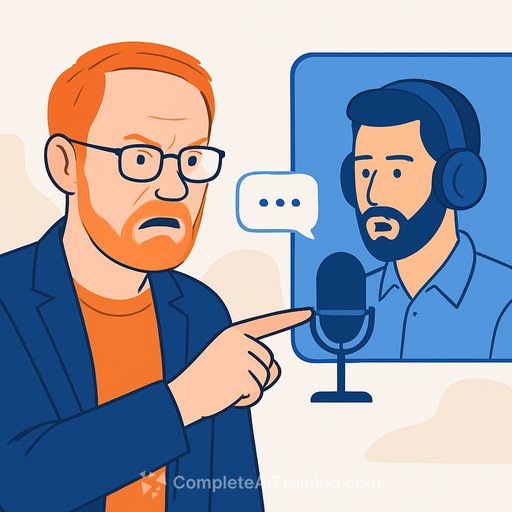
A blunt take from a familiar name in anime is stirring up the industry. Taiki Sakurai - executive producer on Pokémon Concierge and Cyberpunk: Edgerunners, now leading Salamander Inc - said that making animators draw "100,000 pictures all by hand" feels inhumane compared to using AI.
Fans may hate the idea. He says many animators don't.
Where he said it - and why it matters
Sakurai spoke during a panel titled "The AI Agent Industrial Revolution and Japan's Potential" at the CEATEC trade show in October. It wasn't a thought experiment; he referenced hands-on production experience, including Netflix's short The Dog & The Boy, which used AI-generated backgrounds and triggered a backlash from viewers.
He argues the strongest resistance is from fans, not crews. His point: AI can reduce repetitive labor, while artists still handle the actual filmmaking.
The split inside "creatives"
Sakurai acknowledged a divide. Manga artists often push back harder because AI is already decent at still images - the exact domain they work in. Animation is different: turning frames into watchable video still trips on technical hurdles, so full replacement isn't on the table yet.
On the other side, many artists oppose AI on principle. Two reasons come up again and again: job security and training data taken without consent or compensation. Those concerns are valid and won't disappear because a workflow is faster.
WIPO: Generative AI and IP overview
Labor reality check: Japan isn't every market
Sakurai also says job loss is the wrong debate in Japan right now. Studios face a talent shortage as fewer young people enter the field, which is tied to the country's declining birthrate. That context matters - but it may not match the hiring pressures in your region.
A live test: style-to-finish via AI
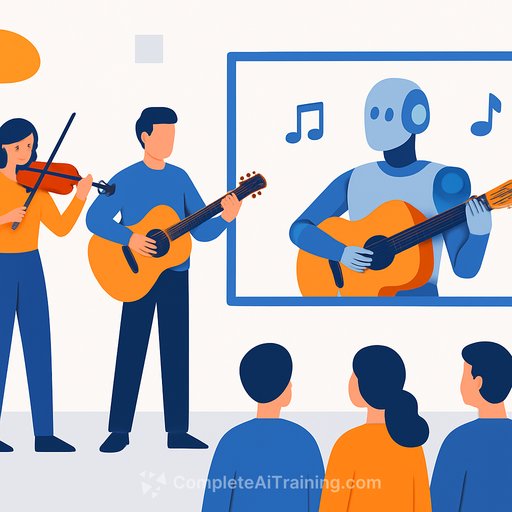
Salamander is running an experiment: train a model on concept artist Kenichiro Tomiyasu's style so he can sketch loosely and have the AI render a "finished" piece. They claim the model will be destroyed after the project ends. If true, that sets an interesting precedent for consent, scope, and sunset clauses.
What to do if you create for a living
- Define your red lines. Decide what AI can touch (in-betweens, cleanup, background passes) and what stays human-driven (key art, character acting, story beats).
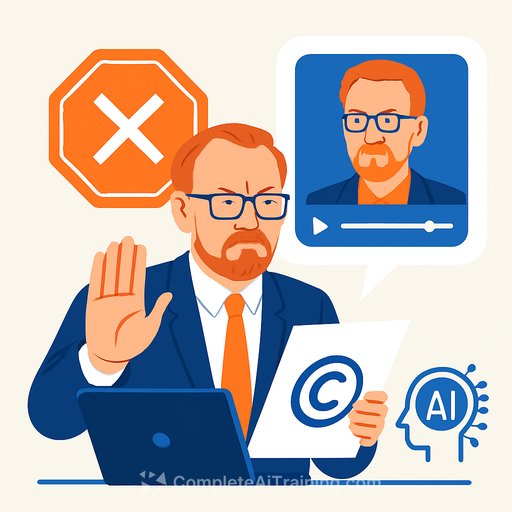
- Get consent in writing. If training on a living artist's style, secure explicit permission, spell out usage, duration, and pay. Add a deletion date and audit rights.
- Disclose selectively but clearly. If AI touches visible elements, label it. Surprises break trust faster than any quality gain can fix.
- Price the workflow, not just the tool. Count prompts, supervision time, cleanup, re-rendering, and QC. AI often shifts effort instead of erasing it.
- Keep a human bar for taste. One person owns final pass on composition, acting, and visual consistency. That's your brand.
- Plan for mixed reactions. Some fans will reject AI on principle. Use it where it's invisible or improves cadence, and pair with human-first releases.
- Protect your own work. Watermark source files, track leaks, and state terms for model training explicitly in licenses.
If you run a studio
- Stand up a "consent pipeline." Track who approved what data, for which model, for how long. No gray areas.
- Start narrow. Pilot AI on backgrounds, roto, or paint fixes. Measure cycle time, revisions, and viewer sentiment before scaling.
- Invest in people, not just prompts. Train artists to direct models, write effective briefs, and critique outputs. The taste gap is where quality lives.
- Write a public policy. One page on how you use AI, how you compensate artists, and how you handle takedowns. Publish it.
Where this lands
Sakurai's claim will hit a nerve. Some creatives will agree on the labor relief; others will see a line crossed on ethics and credit.
The path forward is simple, not easy: use AI to cut drudge work, keep humans in charge of taste and meaning, and make consent and disclosure the default. If the work gets better and the deal stays fair, audiences will follow.
Resources
- CEATEC (event where the remarks were made)
- Tools for generative video: vetted options for production workflows
Your membership also unlocks: