Nevada lawmakers weigh guardrails for AI in schools
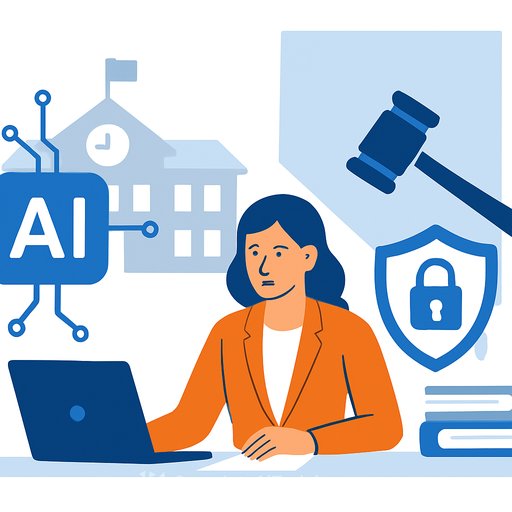
Nevada's interim education committee is drafting policies to govern artificial intelligence use in classrooms, focusing on data protection, teacher training, and preserving human interaction in schools.
The legislative committee met this week to discuss how AI tools like ChatGPT and Gemini are already spreading through Nevada schools. State Superintendent Victor Wakefield told lawmakers the question is no longer whether AI will appear in classrooms, but how to guide its responsible use.
Teachers are using AI for administrative work, lesson planning, and tutoring. But the state has no reliable data on its effectiveness or potential unintended consequences, according to research from the Guinn Center for Policy Priorities, a nonpartisan think tank.
The tension between speed and caution
Todd Butterworth, a senior research analyst with the Guinn Center, framed the core challenge: "Moving too slowly could leave students unprepared for a rapidly changing workforce and world, while moving too fast could expose them to unintended harm."
Democratic Assemblymember Selena La Rue Hatch, who teaches, raised concerns about cognitive decline when students become overly reliant on AI. She questioned whether teachers should have the option to decline using AI tools on ethical grounds.
La Rue Hatch also pointed out absurdities in current workflows: teachers using AI to generate reports for administrators, who then use AI to summarize those reports. "We just have computers reporting to computers, when we could just eliminate the report entirely," she said.
What policymakers are considering
Lawmakers discussed several potential guardrails:
- Requiring vendors to meet privacy and security standards in contracts
- Collecting better data on how AI is actually used in classrooms
- Training educators and students on AI tools
- Prioritizing AI investments in lower-performing and under-resourced schools
Nevada released guidelines called STELLAR last year to promote ethical and responsible AI use in schools. The committee is now developing policies for the next legislative session.
Butterworth suggested schools teach students to identify AI-generated misinformation. "There is a lot of stuff that's on the internet that's created by AI that may be not completely true or may be completely false," he said.
For educators looking to understand how to implement AI responsibly, the AI Learning Path for Teachers offers practical guidance. Additional resources on AI for Education can help schools develop institutional approaches.
Your membership also unlocks: