New UK Data Law and AI Risks in Litigation
The UK’s Data (Use and Access) Bill (DUAB) marks a significant shift in how companies can handle data. It aims to make data use more flexible and business-friendly, while recent court cases highlight the risks of relying on AI tools in legal proceedings without proper oversight.
UK Data Use and Access Bill: Key Points
Passed on 19 June, the Data Use and Access Bill updates UK data protection laws following Brexit. It amends the UK’s data protection framework by introducing new sections to the UK TDPR and the Data Protection Act 2018. The law intends to reduce administrative burdens and boost efficiency for British businesses.
One major change is the relaxation of restrictions on automated decision-making. Unlike the stricter EU GDPR rules, the UK now allows companies to use automated decisions affecting individuals—except in cases involving sensitive personal data—without the previous absolute prohibition.
The law also promotes data sharing between businesses. This means data held by one company about a customer can be shared with others, encouraging competition and innovation beyond just banking, extending to pensions, insurance, and investments.
Additionally, the Bill introduces flexible consent mechanisms and adjusts penalties for cookie consent failures. However, changes are balanced to maintain the UK’s data adequacy status with the EU.
Risks of AI in Legal Practice
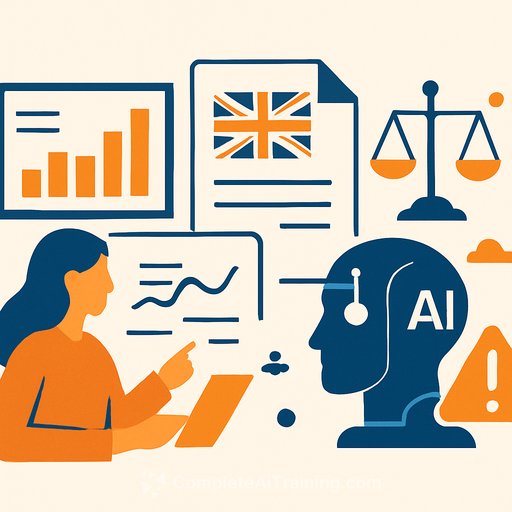
Recent legal cases have exposed problems arising from unchecked use of generative AI in litigation. Errors and fabricated information generated by AI have been submitted in court documents, leading to judicial warnings about the need for careful review.
Lawyers must verify AI-generated content rigorously to avoid inaccuracies and breaches of professional standards. AI tools can assist but should not replace traditional legal research and validation.
Recommendations for Legal Professionals
- Implement clear policies governing the use of generative AI in legal work.
- Provide training to ensure all AI outputs are properly checked before inclusion in legal documents.
- Stay updated on ethical and regulatory guidelines related to AI use in legal practice.
Legal professionals interested in enhancing their AI skills can explore targeted courses on Complete AI Training, which offers resources designed for various legal roles.
Additional Business Law Updates
- The UK government has unveiled a 10-year infrastructure investment plan addressing past shortcomings in productivity and quality.
- Hong Kong’s amended employment laws now require businesses to closely monitor part-time staff hours to ensure proper benefits like statutory holidays and paid sick leave.
- Luxembourg is introducing a modern carried interest regime to attract alternative investment fund managers, along with tax incentives for start-up employee stock options.
Staying informed about these developments is crucial for legal professionals advising clients on compliance and strategic planning.
Your membership also unlocks: