New State Laws Taking Effect in 2026: Practical Guidance for Legal Teams
On Jan. 1, 2026, a wave of state laws will come online across core areas: artificial intelligence, public safety and immigration-adjacent policing rules, school cellphone policies, minimum wage, and sensitive health care issues. The through-line is disclosure, safeguards for minors, and accountability for government and employers. Here's what counsel should prepare for now.
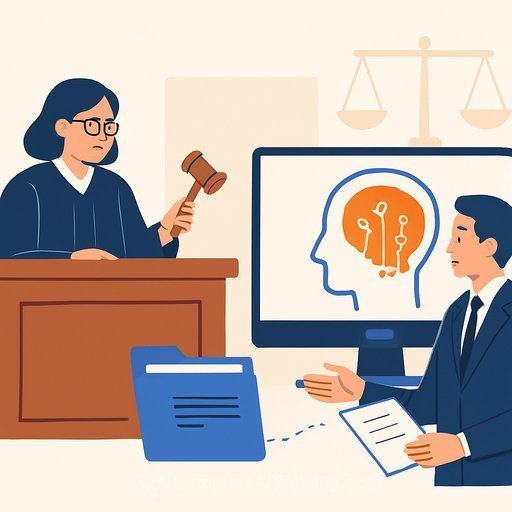
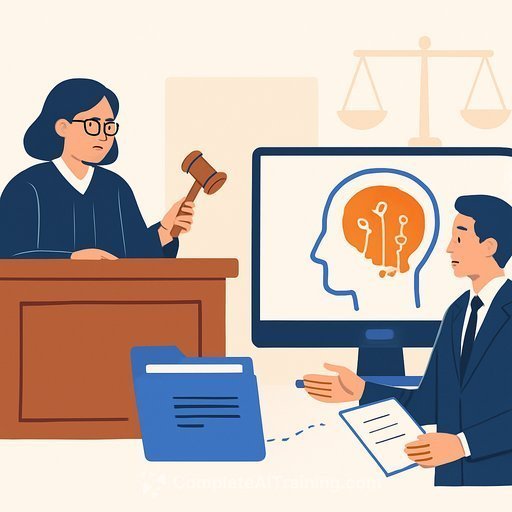
Artificial Intelligence: Disclosure, Guardrails, and Hiring Limits
States are moving ahead on A.I. even as federal officials signal resistance to state-level regulation. Expect friction, preemption arguments, and multi-jurisdictional compliance lift for enterprises operating in multiple states.
- California: New safeguards govern A.I. chatbots' interactions with minors, including limits on exposure to sexual content and required protocols when users express suicidal thoughts. Separate provisions bar chatbots from posing as medical professionals and require law enforcement to disclose when A.I. assists with report generation.
- Texas: Limits on using A.I. to manipulate human behavior, creation of a state A.I. ethics council, and mandatory disclosures when state agencies deploy A.I. for public-facing interactions.
- Illinois: Restrictions on employers' use of A.I. in hiring or other employment decisions, heightening risk if automated systems screen candidates or score performance without human review.
Compliance actions: inventory where chatbots or decisioning tools touch minors, health, or employment; tighten vendor due diligence; implement human-in-the-loop review for consequential decisions; document disclosures; and update incident response playbooks for A.I.-related harms.
For a live view of state activity, see the National Conference of State Legislatures tracker on A.I. legislation. If your team needs fast, practical upskilling on applied A.I. policy and tooling, consider the AI Learning Path for Network Engineers.
Policing and Immigration-Adjacent Changes
California will bar law enforcement officers from wearing face coverings while on duty. Combined with the A.I. disclosure rule for reports, agencies should expect discovery requests probing provenance of narratives and footage, plus policy challenges if anonymity practices intersect with immigration enforcement operations.
Agency counsel: revise uniform and equipment policies, retrain on disclosure obligations, and set up QA processes for any A.I.-assisted documentation. Coordinate with labor counsel where the changes implicate working conditions or officer safety claims.
Cellphone Restrictions in Schools
By the start of the 2026-27 school year, districts in California, Georgia, and Massachusetts must comply with new limits on student use of cellphones and personal devices. The policy intent is classroom focus and safety; the legal work is in the exceptions and enforcement.
- Draft clear board policies with defined exemptions (health, disability-related supports, emergencies).
- Address storage, search-and-seizure constraints, and due process for discipline.
- Review vendor agreements for monitoring or lockbox solutions; fold in data privacy, retention, and breach terms.
- Train staff on consistent application and documentation to reduce claims under student rights statutes.
Medically Assisted Death and Gender-Related Care
Multiple states have enacted new rules touching medically assisted death and gender-related care for minors. Details vary widely and create cross-border exposure for providers, payers, and families relocating or seeking care out of state.
Action items for health systems and insurers: confirm licensure and telehealth boundaries; review referral and travel-support policies; update consent forms; and analyze choice-of-law and shield provisions. Expect litigation around access, parental rights, coverage, and professional discipline.
Minimum Wage and Payroll Updates
Many states will raise minimum wages effective Jan. 1, 2026. The legal risk is in missed differentials and misclassification, not just the headline rate.
- Refresh wage grids for state and local tiers; verify tip credits, meal and lodging offsets, and youth/training rates.
- Update postings, handbooks, offer letters, and PTO accrual triggers tied to hours worked.
- Coordinate with payroll to time system changes for the first pay period of 2026; run parallel audits for the first month.
Cross-Cutting Litigation and Enforcement Risks
- Disclosure failures: A.I. usage without proper notice (public agencies, employment, consumer interactions) invites claims and AG interest.
- Bias and disparate impact: Automated tools in hiring, education discipline, or benefits can surface Title VII, ADA, or state civil rights exposure; teams should consult AI for Human Resources guidance.
- Student rights: Overbroad device bans or inconsistent enforcement can drive due process and equal protection claims.
- Public records: A.I.-assisted police reports and policymaking records may be subject to disclosure; set retention and exemption analyses now.
Checklist for Counsel
- Map all A.I. use cases; classify by risk (minors, health, employment, public decisions). Implement human review and logging where outcomes affect rights or benefits.
- Prepare consumer and employee disclosures; align privacy notices and consent flows.
- Revise law enforcement policies: A.I. report attribution, face-covering rules, training, supervisory review, and audit trails.
- For school clients: board policy, parent notices, ADA/IDEA accommodations, vendor DPAs, and staff training.
- For employers: revalidate automated hiring tools; perform bias testing; add appeal mechanisms; document rationale for adverse actions.
- Update wage and hour policies; confirm rates, local add-ons, and pay frequency; schedule HRIS changes.
- Run a jurisdictional sweep for medically assisted death and gender-care rules; adjust consent, referral, and telehealth protocols.
- Calendar effective dates and create a communications plan for employees, parents, and the public.
Bottom Line
The 2026 turn brings stricter disclosure, tighter rules around minors, and fresh scrutiny on A.I.-driven decisions. Teams that inventory systems, update policies, and train early will cut risk and reduce cleanup later.
Your membership also unlocks: