
AI news ·
New York requires brands to label AI-generated people in ads or face fines up to $5,000
New York now requires ads using AI-generated people to carry clear disclosures, with fines up to $5,000 for repeat violations. The law exempts film, TV, and audio-only ads.
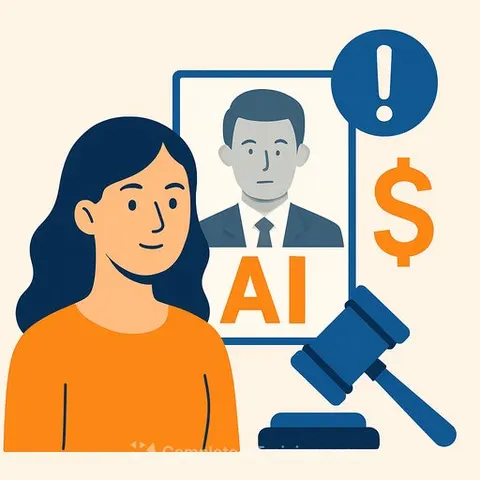
New York Requires Disclosure for AI-Generated People in Ads
New York has made it illegal to use AI-generated people in advertisements without clearly labeling them. The law, signed in December and now in effect, fines brands $1,000 for a first violation and up to $5,000 for subsequent offenses.
The rule targets what the state calls "synthetic performers"-digitally created figures designed to look like real people. Any ad that fails to "conspicuously disclose" their use violates the law.
Governor Kathy Hochul framed the measure as setting boundaries early. "In New York, we are setting the rules of the road instead of letting AI run the show," she said, emphasizing that simple disclosure protects consumers and creative professionals.
What's Exempt
The law carves out specific categories. Ads for films, television, streaming content, and video games don't require disclosure. Audio-only ads and AI used purely for language translation are also exempt.
Industry Response
Advertising groups warned the law could increase compliance costs and slow creative work. The American Association of Advertising Agencies raised concerns about how "synthetic performer" would be defined and applied across different formats.
Labor unions took the opposite view. SAG-AFTRA supported the measure as protection against actors being replaced or replicated without consent.
The Broader Picture
New York's rule is one piece of expanding AI regulation across U.S. states, which includes deepfake restrictions and data privacy laws. Federal-level concerns remain about fragmented state rules potentially slowing innovation.
For marketing teams, the shift is straightforward: transparency in AI use is no longer optional. As synthetic content becomes harder to distinguish from real footage, disclosure is moving from best practice to legal requirement.
Learn more about AI for Marketing and Generative AI and LLM to stay current on how these tools are reshaping the industry.