
AI news ·
Newmedia.com analysis finds organizations shifting from fragmented marketing channels to integrated AI visibility operating systems
Marketing teams are replacing siloed SEO, paid media, and PR functions with unified systems built for AI-driven discovery. The shift prioritizes brand visibility in AI search summaries and recommendation engines, not just traditional rankings.
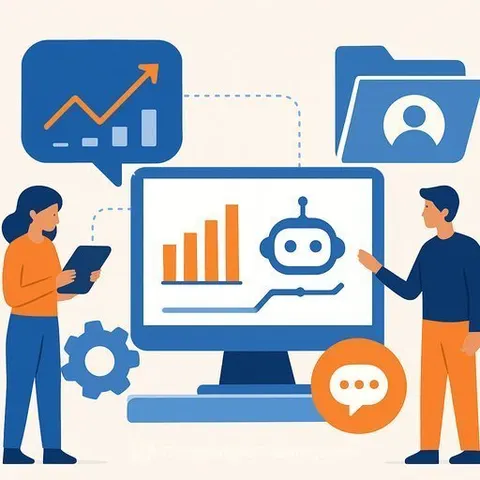
Marketing Teams Are Ditching Fragmented Strategies for Unified AI Visibility Systems
Organizations are consolidating scattered marketing operations into integrated systems designed to coordinate search visibility, conversion optimization, and analytics across AI-driven discovery channels. The shift reflects how customers now find brands through AI-generated search summaries, recommendation systems, and conversational interfaces - not just traditional rankings and paid ads.
Digital marketing has historically split into separate functions: SEO teams chase rankings, paid media teams focus on acquisition, PR teams build awareness, and conversion teams optimize checkout flows. Each produces measurable results independently. But the structure creates operational friction: disconnected customer journeys, duplicated spending, inconsistent messaging, and weak authority signals across channels.
How AI Discovery Changed the Rules
Customers increasingly research and evaluate brands through systems that didn't exist five years ago. AI-powered search summaries, marketplace recommendation algorithms, and structured retrieval environments now compete with traditional Google rankings for visibility.
This shift means marketing teams now compete for discoverability and entity recognition in AI systems - not just traffic volume. A brand that ranks well but lacks structured data or coherent authority signals across platforms will struggle in these new environments.
What an AI Visibility Operating System Does
An AI Visibility Operating System coordinates five core functions that fragmented teams typically handle separately:
- Discoverability across AI search and recommendation systems
- Authority signals through content and entity relationships
- Conversion optimization aligned with visibility strategy
- Analytics infrastructure that tracks performance across channels
- Experimentation systems that improve visibility and revenue simultaneously
The systems work by aligning technical infrastructure, content architecture, and analytics frameworks so that visibility improvements directly support conversion goals - rather than existing as separate metrics teams monitor independently.
The Operational Shift
The change reflects a broader move from channel-based thinking to infrastructure-based thinking. Organizations are moving from managing individual campaigns toward building systems that adapt as AI discovery mechanisms evolve.
Industry research from McKinsey and Harvard Business Review has emphasized the competitive advantage of integrating digital capabilities rather than managing channels independently. As AI systems become more influential in product discovery and customer decision-making, this integration becomes harder to ignore.
What This Means for Marketing Teams
Marketing professionals managing multiple channels face a choice: continue optimizing each channel separately, or build integrated systems that coordinate visibility, authority, and conversion. The first approach produces diminishing returns as AI discovery grows more complex. The second requires restructuring how teams collaborate and measure success.
Teams accustomed to SEO metrics, paid media ROI, and conversion rates will need to think in terms of unified visibility infrastructure. This means aligning goals across functions and measuring success by how well systems coordinate rather than how well individual channels perform.
For marketing managers, this shift creates both a challenge and an opportunity. Teams that build integrated systems early will have structural advantages as AI-driven discovery becomes the primary way customers find brands. Those that don't may find themselves competing on shrinking margins in fragmented channels.
Learn more about AI for Marketing or explore the AI Learning Path for Marketing Managers to understand how these systems work in practice.