Why Artists’ Consent Matters in AI Music Training
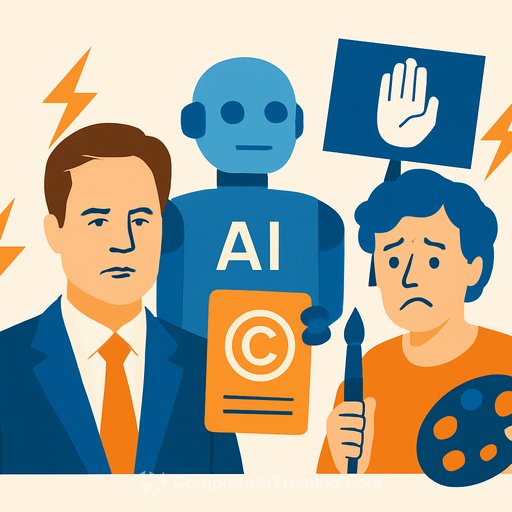
Artificial intelligence is changing how music is created and consumed, but its development raises critical questions about artist rights. Recently, Nick Clegg, former UK Deputy Prime Minister and Meta executive, argued that artists shouldn’t need to consent for their music to be used in AI training. This stance clashes with growing concern in the creative community about protecting original work.
Clegg’s position is clear: requiring artists’ permission would “basically kill the AI industry” in the UK. He supports an opt-out system where artists must actively say no if they don’t want their music included. This contrasts sharply with calls from musicians and industry leaders for an opt-in approach, where consent must be granted before AI models can use their work.
Creative Industry Pushback
Some of the UK’s most respected musicians have voiced strong opposition to the government’s opt-out proposal. Sir Paul McCartney warned that allowing AI to use music without explicit permission risks a “loss of creativity.” He highlighted a scenario where emerging artists write songs but don’t own them because their work can be freely copied or adapted by AI.
This concern is echoed by major labels and creative organizations urging for better protections. They argue that artists should have control over whether their music contributes to AI models, making an opt-in system the fairer choice. This ensures creators benefit from their work rather than having it used without compensation or consent.
What’s at Stake with Opt-In vs. Opt-Out?
- Opt-Out Model: Artists are automatically included unless they explicitly refuse. Easier for AI companies but risks using music without proper permission.
- Opt-In Model: Artists must give clear permission before their music is used. Protects creators but seen by some as difficult to implement on a large scale.
Clegg calls the opt-in approach “implausible,” citing the challenge of contacting every artist. He fears that if the UK alone enforces opt-in, it will hinder AI development domestically. However, many in the creative sector view this as necessary to safeguard their work and livelihoods.
Government and Legislative Responses
The UK government proposed copyright law changes earlier this year aiming to position the country as a leader in AI innovation. The plan favors opt-out consent to ease AI training. However, the bill has faced pushback in Parliament, especially in the House of Lords.
Crossbench peer Lady Kidron emphasized that opposing the bill isn’t opposing technology. She stated: “Creators do not deny the creative and economic value of AI, but we do deny the assertion that we should have to build AI for free with our work, and then rent it back from those who stole it.”
Earlier votes in the House of Commons favored the bill, but with growing resistance from artists, labels, and lawmakers, the legislation is likely to be revisited. This ongoing debate is crucial for creatives who want to maintain control over their work amid AI’s rise.
What Creatives Should Know
If you’re an artist, songwriter, or music professional, understanding these legal changes and their impact is vital. The outcome will affect how your music can be used by AI and whether you retain control and compensation for your creations.
Stay informed about updates to copyright laws and AI regulations. Engaging with industry groups and supporting policies that respect artists’ rights can help protect your creative output.
For those interested in how AI tools can be ethically and effectively integrated into creative workflows, resources like Complete AI Training’s latest courses offer practical guidance on AI applications while respecting creators’ rights.
Your membership also unlocks: