
AI news ·
Nike's AI-assisted World Cup kits have a shoulder bulge problem
Nike's new World Cup kits have protruding shoulder seams, drawing ridicule. The company told players to steam the jerseys rather than fix the design.
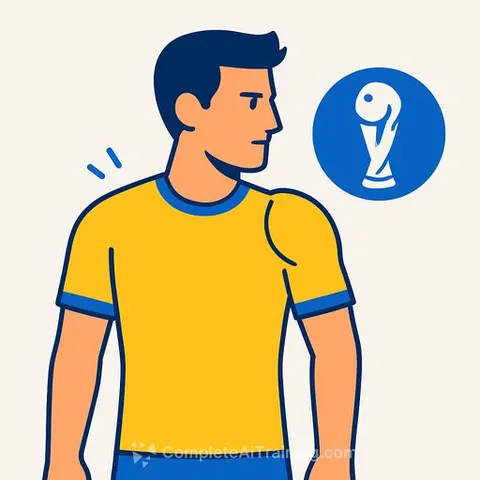
Nike's new World Cup kits, launched earlier this year, are drawing ridicule online because of a design flaw that creates protruding shoulder seams. The problem is bad enough that the company has told players to steam the kits rather than rework the design, raising fresh questions about the limits of AI-assisted design in creative work.
Fans quickly noticed the odd seam, which puffs up like a villain's shoulder pads from Thunderbirds. The bulge stands out during matches, undercutting the sleek look that national team apparel aims for. For a brand built on performance and aesthetics, the error is an awkward glance at the gap between computational output and real-world tailoring.
Nike had touted the kits with confident language, claiming they "set a new standard for national team kit design" by merging "pinnacle cooling innovation with time-honored tradition." The company leaned heavily on its computational design process, saying it used performance data and AI elements to guide the knit construction. That process produced a highly specialized stitch, but also the shoulder protrusion that now requires ironing fixes.
The design flaw and Nike's response
In a March statement to The Guardian, Nike acknowledged the issue directly: "the overall aesthetic is not where it needs to be." Instead of recalling the kits or adjusting the production line, the company advised players and federations on how to wash and steam the jerseys to flatten the seams. That stopgap solution has left many creatives shaking their heads - washing instructions aren't what you'd expect from a premium design house.
How much did AI influence the mistake?
The exact weight of AI in the final design is murky. Design teams at Nike used "computational design and a highly specialised, stitch-specific knitting process" that incorporated AI alongside human designers. Whether the algorithm pushed the seam shape or a human opted for it, the outcome shows that even data-driven methods can miss fundamentals like how fabric drapes on a moving body. AI isn't a tailor, and no amount of performance data can replace the tactile judgement of a skilled cutter.
For creatives, the incident is a live case study in the hazards of blending AI for Creatives workflows. When algorithms generate options based on metrics like cooling or stretch, they can produce shapes that look fine on a screen but fail on the pitch. Human oversight remains essential, not as a box-ticking exercise but as the final arbiter of what actually works.
Why this matters for creatives
Nike's shoulder bulges aren't just a punchline - they're a signal that automation in design carries real risk of embarrassing, highly visible failure. The takeaway isn't to avoid AI but to audit its output with the same rigor you'd apply to an intern's concept sketch. The most advanced computational process still needs a human who can say, "That looks stupid." Until machines can feel fabric or anticipate how light catches a bad seam, the core of design stays in human hands.