Liability for AI-Generated Legal Advice Tested in Court
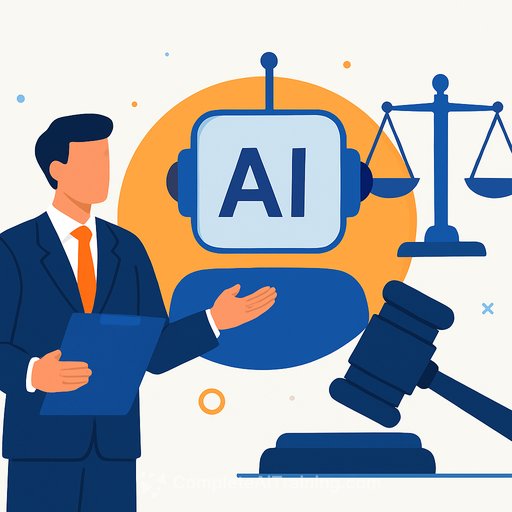
A lawsuit against ChatGPT's developers raises a fundamental question for the legal profession: who bears responsibility when artificial intelligence gives bad legal advice?
The question is no longer theoretical. Attorneys in California now routinely use AI for legal research, document drafting, and document review. Courts are seeing AI-generated briefs and pleadings. Self-represented litigants are using AI to prepare motions. Tech companies market AI as capable of analyzing claims, drafting legal documents, and recommending litigation strategies.
The Nippon Life suit directly tests whether AI-generated legal advice can expose developers to traditional tort liability-the legal obligation to compensate someone harmed by negligence or wrongdoing.
What's at stake
The case matters because it forces courts to decide where responsibility lies. Does the developer bear liability for faulty advice? The attorney who uses the tool without verification? The client who relies on it?
These questions have no clear answers yet. Unlike traditional legal services, AI tools operate in a gray zone where liability rules remain unsettled.
The broader context
AI adoption in legal practice is accelerating faster than the law can address it. Attorneys face pressure to use efficient tools while protecting clients. Courts must decide how to treat AI-generated documents. Clients may not know whether their attorney relied on AI for critical advice.
The Nippon Life case will likely shape how courts approach these issues. Its outcome could establish new standards for AI liability in legal services-or leave the question open for years of litigation.
For legal professionals, the takeaway is clear: deploying ChatGPT and similar tools without understanding their limitations creates legal and professional risk. Courts will eventually demand answers about who knew what, when, and what reasonable precautions were taken.
Learn more about AI for Legal professionals to understand both the capabilities and constraints of these tools in practice.
Your membership also unlocks: