"No Platform Gets A Free Pass": Ministers Set Out Next Phase Of Child Online Safety
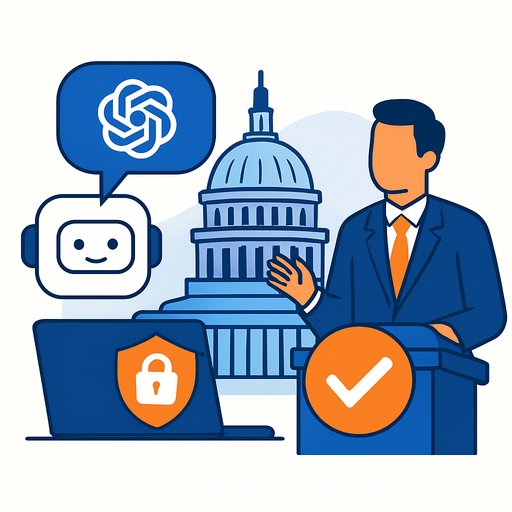
The government will move to bring AI chatbots under the same illegal content duties as Social Media, closing a gap in the Online Safety Act. An amendment to the Crime and Policing Bill will make clear that chatbot providers must prevent and remove illegal content or face enforcement.
Ministers also want powers to adjust social media rules faster via the Children's Wellbeing and Schools Bill, subject to MPs' approval. That toolkit could include a minimum age for social platforms and curbs on addictive design features such as infinite scroll.
What's new
- AI chatbots captured by illegal content duties under the Online Safety Act, with potential criminal and civil penalties for non-compliance.
- Fast-track powers to update safeguards on social media (e.g., age limits, feature restrictions) once evidence from consultation is in.
- Focus on preventing the creation and spread of non-consensual intimate images, including by AI systems.
- Work to preserve key online data where it may be relevant to the death of a child.
- Public campaign ("You Won't Know Until You Ask") to help families use safety settings and start frank conversations.
Context
This follows pressure that led X to limit Grok's ability to post intimate images without consent. The prime minister said the message is simple: no platform gets a free pass. Technology secretary Liz Kendall added that families should not have to wait while harms mount; rules for chatbots will be tightened now, and further changes will follow the consultation.
How it could work in practice
- Chatbot providers would have to detect, block, and remove illegal content proactively, with risk assessments and controls built on Design principles.
- Ofcom could extend codes of practice and enforcement to AI conversational products, not just user-to-user platforms.
- Social media operators may be required to implement verified age checks and switch off high-risk engagement features for younger users.
Implications for departments and public bodies
- Policy: Align child online safety work across DSIT, DfE, Home Office, MoJ, and DHSC-especially where duties, data access, and safeguarding intersect.
- Procurement: Update AI and platform procurement standards to require Online Safety Act compliance in supplier due diligence.
- Safeguarding: Refresh guidance to schools and local authorities on reporting flows for AI-amplified image abuse and cyberflashing.
- Enforcement: Prepare for expanded Ofcom oversight and potential cross-warrant data preservation steps in sensitive cases.
- Comms: Coordinate with the DSIT campaign so parental advice is consistent across GOV.UK, schools, and local services.
Consultation: what to expect in March
- Age limits for social platforms and how to implement them effectively (verification methods, privacy, and inclusion).
- Restrictions on design features that encourage excessive use by children (e.g., infinite scroll, autoplay, streaks).
- How platforms and AI tools should prevent sending or receiving sexual images and handle related reporting.
- Data preservation protocols following the death of a child, balancing evidence needs and privacy rights.
Political backdrop
Opposition parties argue the plan delays decisive action. The Conservative shadow education secretary Laura Trott called it "smoke and mirrors," urging a clear ban on under-16s using social media. The Liberal Democrats' Munira Wilson said the approach lacks a firm timetable and proper parliamentary scrutiny.
Timeline and next steps
- Immediate: Announcement of intent to amend the Crime and Policing Bill to capture AI chatbots under the Online Safety Act's illegal content duties.
- March: Launch of the digital wellbeing consultation with parents, young people, and civil society.
- Following consultation: Secondary measures via the Children's Wellbeing and Schools Bill to implement age limits and design restrictions, subject to MPs' support.
What departments can do now
- Map exposure: Identify any departmental use or endorsement of AI chatbots and social platforms used by young people; log risks and mitigations.
- Strengthen contracts: Add Online Safety Act compliance, age-assurance expectations, and image-abuse safeguards to supplier terms.
- Coordinate with Ofcom and DSIT: Align on evidence needs for the consultation and prepare implementation pathways.
- Update safeguarding guidance: Provide schools and youth services with clear reporting routes and rapid escalation protocols.
- Prepare comms: Draft parent-facing FAQs on age checks, safety settings, and reporting abusive content.
Helpful resources
Build capability
If your team needs hands-on upskilling on AI risk, safety features, and practical guardrails, see role-based training options here:
Bottom line: AI chatbots will be held to the same standard as social platforms. Departments should line up policy, procurement, and safeguarding now so they can move quickly once the consultation concludes.
Your membership also unlocks: