How AI Is Transforming Restaurant Operations in 2026
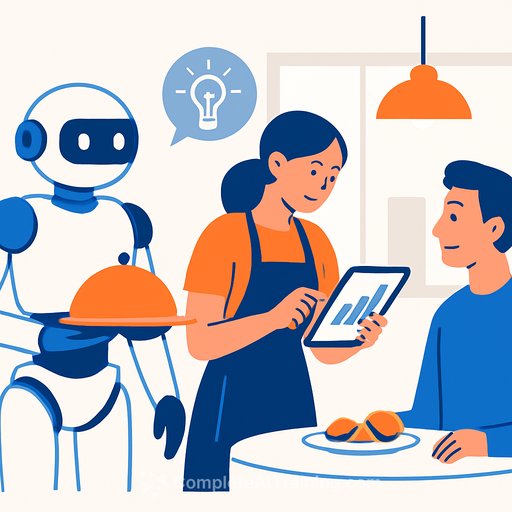
Walk into any serious restaurant this year and you'll see candles, polished glassware, and a team moving with intent. What you won't see is the quiet system underneath: demand models, staffing forecasts, and inventory logic keeping the floor calm and the kitchen focused.
Margins are thin. Stock is perishable. Staffing is tight. AI stopped being hype when operators realized it keeps waste down, predicts busy windows, and gives teams the confidence to plan instead of guess.
Fine Dining Meets Forecasting: Lessons from 1 Lombard Street
Behind the domed ceiling and sharp service is data. AI-enhanced reservation platforms read booking patterns, seasonality, and cancellation behavior. They even suggest table configurations based on event trends nearby.
Result: managers staff for probability, not hope. Forecasting maps a quiet Tuesday in March differently than a corporate-heavy Thursday in December-factoring in weather, transport strikes, and local events. McKinsey notes AI-driven demand forecasting can cut inventory waste by up to 30 percent in hospitality (source: McKinsey).
Smarter Kitchens, Less Waste
Waste hurts profit and brand trust. Kitchens now run on real-time signals that keep creativity intact and the bin empty.
- Track ingredient usage dish-by-dish and shift-by-shift
- Flag ordering anomalies before they become problems
- Auto-suggest purchase quantities by booking velocity and dish mix
- Predict spoilage windows and nudge prep at the right moment
Chefs keep their focus on flavor and execution while the system handles the math. Less panic, fewer stockouts, and tighter GP.
Personalisation Without Being Creepy
AI-powered CRMs remember the useful details-dairy-free preference, a go-to wine, or a birthday note-so staff can act on them without guesswork. It's not intrusive; it's simply better memory at scale.
Deloitte reports 64 percent of diners say personalised experiences increase loyalty (source: Deloitte). The difference is subtle: guests don't have to repeat themselves, and service feels intentional.
Mid-Market Operators Get Lean: LIVIN'Italy
In casual dining, data steers prep and menu layout. LIVIN'Italy uses inventory automation to see which pastas spike by daypart and day of week. If truffle tagliatelle surges on Fridays, prep adjusts before doors open.
Menu engineering goes deeper. AI weighs margin per dish, popularity, and cross-sell signals. If one starter consistently leads to wine orders, it earns prime placement. As Danny Meyer put it, hospitality is present when something happens for you-AI makes that predictable.
Staff Scheduling That Does More Than Fill Shifts
Understaff and service slips. Overstaff and margin disappears. AI rota tools read historical footfall, local events, and team availability to recommend the right coverage.
Managers move from manual build to quick review. Teams get steadier schedules, less burnout, and lower turnover-improving service consistency without constant firefighting.
Delivery Isn't Slowing-But It's Smarter
Delivery demand flexes with rain, sport, and office patterns. AI adjusts prep pacing, predicts peak times, and tunes pricing when the kitchen gets slammed. Packaging tweaks come from feedback data, not hunches.
Sentiment analysis scans hundreds of reviews and flags repeat issues fast. One recurring complaint can be actioned before it becomes a trend.
Fast-Casual Precision: Poke Shack
Speed and freshness usually fight each other. Forecasting tools balance both by reading weather, hybrid office schedules, and historic peaks.
Warmer days push lighter bowls; colder days shift the mix. Prep matches demand, queues shorten, and "we've run out" fades into the background.
AI Isn't Replacing Hospitality-It's Clearing the Path
Guests come for warmth, timing, and care. AI doesn't greet tables or sell a second bottle. It removes friction so humans can do those parts better.
Think of it like refrigeration or online bookings once were: first resisted, then essential. The tools move backstage complexity out of the guest's way.
The Bigger Picture: Survival and Sustainability
Labor costs are up. Ingredients swing in price. Expectations keep rising. Without smarter systems, a single bad month can do real damage.
In 2026, AI is infrastructure. It trims waste, sharpens forecasting, lifts loyalty, and protects margin. That's how doors stay open and teams stay stable.
Operator Playbook: Fast Wins You Can Implement Now
- Forecasting: Feed two years of covers, no-shows, and event data into an AI-enabled reservation tool. Set staffing rules by probability bands.
- Inventory: Tie POS to inventory and enable auto-order suggestions. Add spoilage alerts and batch prep prompts by time-of-day demand.
- Menu engineering: Rank dishes by profit, popularity, and attach-rate. Reorder menus quarterly. Test one high-margin swap per section.
- CRM: Capture preferences at booking and payment. Surface key notes at host stand and server handhelds, not after the check drops.
- Scheduling: Use AI rota suggestions as a baseline. Lock rota two weeks out to reduce burnout and shrink last-minute swaps.
- Delivery: Sync prep pacing to live order waves. Review sentiment dashboards weekly and fix one recurring issue each cycle.
Where to Go Next
Want sector-specific use cases, playbooks, and tool stacks? Explore AI for Hospitality & Events and deepen your operational toolkit with AI for Operations. If staffing is your bottleneck, see AI for Human Resources for rota optimisation and workforce planning ideas.
Conclusion: The Invisible Partner in Modern Dining
Guests still experience human hospitality-warm greetings, well-timed courses, and thoughtful pairings. The quiet layer beneath handles forecasts, stock, and schedules.
AI doesn't steal the magic. It protects it. From 1 Lombard Street's forecasting, to LIVIN'Italy's menu intelligence, to Poke Shack's predictive prep-the pattern is the same: fewer surprises, better timing, stronger margins.
Your membership also unlocks: