Node Eight launches Eight AI Lab to build Ghana-first AI - products, research, and skills
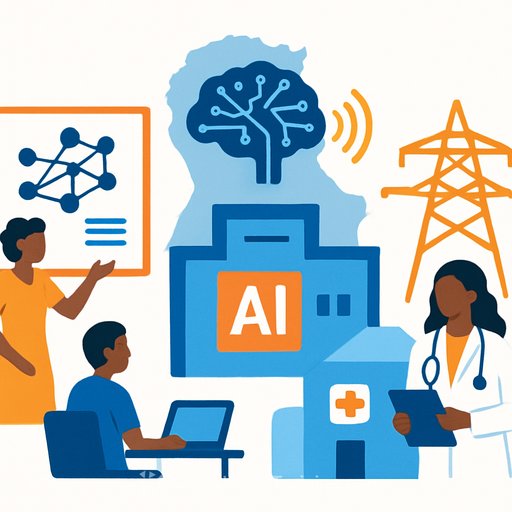
Node Eight has launched the Eight AI Lab, an internal innovation hub focused on building AI that serves Ghana's real needs. The mandate is simple: research what works, ship useful products, grow skills, and inform policy with evidence.
As Executive Director Brian Dzansi Dzidefo put it, "What we are trying to focus on is using AI research to see how artificial intelligence can be applied in our everyday lives, building products with AI, and training professionals on how to use and build AI tools."
Four pillars guiding the work
- Applied AI research: Practical studies tied to high-value use cases with clear beneficiaries.
- AI for Product Development: Shipping tools that people in Ghana can use today.
- Professional training: Building talent pipelines for teams and institutions.
- Policy and research recommendations: Evidence-based inputs for responsible use of AI.
Dzidefo noted a fourth pillar often missed in tech rollouts: "provide evidence-based policy and research recommendations to support the responsible development and use of AI in Ghana."
Early wins product teams will care about
Deep learning for ECG loss prevention: The lab's first research project explores using deep learning to help the Electricity Company of Ghana detect illegal power connections. It's a classic high-leakage, high-impact problem where AI assists field operations and revenue protection. Electricity Company of Ghana
Jesi - AI for Education: A generative tool built around Ghana's curriculum. Teachers can plan lessons and generate assessment questions that match local standards. Students use it to get explanations in a Ghanaian context and practice for exams.
- Adoption to date: ~10,000 students and 2,000+ teachers.
- Core value: Reduce prep time, improve relevance, and speed up feedback loops in classrooms.
Nouritrack for early malnutrition detection: Health workers capture a child's photo via a mobile app; an AI model flags potential malnutrition for early intervention. The team reports around 90% accuracy compared with medical screening by doctors, with active tuning underway.
- Pilot site: Princess Marie Louise Children's Hospital in Accra, working closely with the nutrition department.
- Why it matters: Many children with micronutrient deficiencies look fine at a glance and get missed until illness sets in. Early detection enables timely support. WHO: Malnutrition facts
Training that sticks
The lab is running structured programmes that start with data analytics and progress to advanced AI for selected cohorts. They're training professionals across sectors and building a pipeline of practitioners who can ship real value inside institutions.
More than 600 teachers have already been trained on practical AI use. As Dzidefo emphasized, "You have to know how to prompt the AI properly and how to verify the output before using it." That verification-first approach is baked into their sessions.
If you're building team capability, here's a curated resource list by role to map skills to outcomes: AI courses by job
Notes for product leaders
- Pick clear, measurable problems: Power loss detection and malnutrition screening both tie directly to outcomes (revenue protection, health improvements) and offer feedback data for iteration.
- Design with the local context first: Jesi AI aligns with Ghana's curriculum, which shortens the path to adoption and reduces friction for teachers.
- Benchmark against human performance: Comparing Nouritrack's results with doctors' screening sets a standard the team can improve against.
- Close the loop with operators: Hospitals and classrooms aren't just users; they're learning partners that supply the data and edge cases you need.
- Plan for data partnerships early: "For us to be successful, we need access to data, and that requires collaboration," Dzidefo said. Build data-sharing agreements and governance into your roadmap from the start.
What's next
The lab will scale public engagement, put its products in more hands, and partner with organizations that have AI-fit problems or need training. They're also inviting institutions to co-create datasets to accelerate research and deployment.
The call is open: bring your problem statements, your data, and your teams. Eight AI Lab is set up to collaborate on research, product rollouts, and skills development that benefits Ghana directly.
Your membership also unlocks: