Nonfarm Payrolls Preview: Shutdown Noise And AI Effects Blur The Signal
Economists expect January payroll growth to be close to flat, with the unemployment rate holding near 4.4%. The bigger story may be the revisions the Bureau of Labor Statistics (BLS) releases alongside the report, which could reset how we read the past year of labor data.
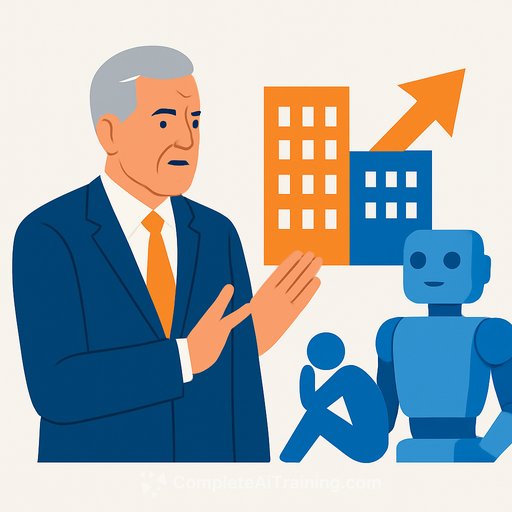
As one strategist put it, the tie between output and hiring looks weaker than it used to be. Part of that is data noise after a government shutdown. Part of it may be longer-term pressure from artificial intelligence changing how work gets done.
Why this print is hard to read
- Shutdown aftershocks: Data collection and seasonal adjustments can wobble after a pause in government operations, leaving gaps and one-off quirks in the series.
- Benchmark and population updates: January often brings BLS population control updates and the annual benchmark revision to payrolls. Those changes can shift the entire level and trend you thought you knew. BLS benchmark details
- Weaker growth-to-jobs link: As noted by Krishna Guha of Evercore ISI, the usual relationship between GDP and payrolls appears to be loosening, with AI likely playing a role.
What government professionals should watch on release
- Revisions first, headlines second: Check the annual benchmark revision and any back-month changes before reacting to the top-line payroll number.
- Hours worked vs. headcount: Aggregate weekly hours can reveal real labor input even if headcounts stall. Flat jobs with rising hours tells a different story than the reverse.
- Wage growth: Average hourly earnings, especially for production and nonsupervisory workers, inform inflation and contract planning.
- Public-sector detail: Track federal, state, and local payroll lines separately. Education, public safety, and health roles often move on different cycles than private industries.
- Temporary help and diffusion: Temp help is a sensitive leading indicator. The diffusion index shows how broad-based gains or losses are across industries.
- Household vs. establishment surveys: If unemployment rises while payrolls hold, check participation, multiple jobholders, and part-time for economic reasons to square the story.
- Cross-checks: Compare with job openings (JOLTS) and initial claims to validate the direction of travel.
Implications for agencies and public workforce leaders
- Hiring plans: If revisions point to slower momentum, consider pacing vacancies and focusing on mission-critical roles while preserving flexibility to accelerate later.
- Budget risk: Use hours-worked and wage growth to stress test personnel and overtime lines. Build small contingencies for retroactive changes from revisions.
- Contracts and grants: Tie performance metrics to multi-month averages rather than a single print. Add clauses that account for data revisions where appropriate.
- Talent and training: Expect fewer hires per unit of output as AI tools roll out. Shift resources toward reskilling, analytics, and process redesign inside agencies.
How AI could be bending labor signals
Organizations can produce more with the same headcount as AI tools spread, which mutes hiring even when output holds up. That weakens the old "GDP up, jobs up" rhythm policymakers relied on.
Transition effects matter too. Teams pilot tools, rework processes, and delay backfills while productivity ramps. You can see steady or rising hours alongside flat headcount during that phase.
The mix of jobs may change faster than the totals. Demand can shift from routine roles to analysis, oversight, cybersecurity, data, and human-facing services. That calls for reclassification, not just recruitment.
A simple briefing checklist for your next stand-up
- Note benchmark and back-month revisions; update your dashboards before commenting.
- Record four items: total payrolls, unemployment rate, average hourly earnings, aggregate hours.
- Flag movements in federal, state, and local government payrolls separately from private sectors.
- Scan temp help, diffusion index, and participation for early turning points.
- Set triggers: what changes would alter hiring pace, overtime budgets, or contract schedules?
Where to get the source data
Next steps on AI skills for public service
If AI is shrinking the jobs-to-output ratio, the practical move is to upskill current teams. Focus on prompt fluency, workflow automation, and data literacy that plug into your agency's mission.
Note: This article reflects analysis for informational purposes and should not be used as the basis for investment decisions.
Your membership also unlocks: