North Shore BOE details a systemwide plan for digital fluency and AI
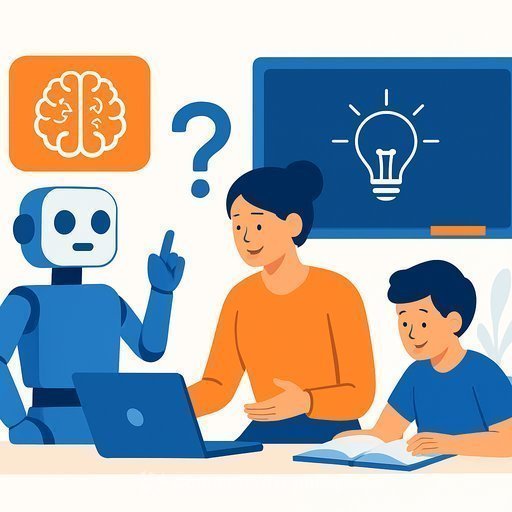
The North Shore Central School District outlined a clear, K-12 plan to build digital fluency and respond to artificial intelligence. The message: embrace useful technology, protect student wellness, and keep learning human. Leaders emphasized critical thinking, academic integrity, and ethics over simple tool use.
District committees are driving the work. A technology committee and a dedicated AI task force, including teachers, administrators, and a student representative, are assessing impact and setting guidelines. As Superintendent Christopher Zublionis put it, the goal is to keep students as active thinkers, not passive users.
What this looks like across K-12
- Elementary: No instructional use of AI. Focus on awareness and strong digital habits through hands-on, screen-limited activities.
- Secondary: Ongoing discussion of ethical use and academic integrity. Teachers are adjusting assignments and assessments to account for AI-generated content.
- Computer science: Early foundations expand into programming, cybersecurity, Data Analysis, and ethics in middle and high school.
- Grade 8: Every student takes computer science. A second option, "Living in the Digital World," is being considered to cover digital citizenship, cybersecurity, and societal impact alongside Coding.
- High school pathways: Introductory courses plus Advanced Placement and International Baccalaureate computer science options.
What educators can take from this
- Keep the main thing the main thing: teach thinking, not tool-following. AI should support reasoning, not replace it.
- Update assessment design: more process evidence (drafts, reflections, oral checks), clearer integrity expectations, and varied formats.
- Start with digital citizenship early and often. Resources like Common Sense Digital Citizenship can help standardize language and norms. For primary teachers planning PD around AI literacy and classroom use cases, see the AI Learning Path for Primary School Teachers.
- Build staff capacity. Establish common protocols for disclosure, acceptable AI use, and feedback. Share exemplar prompts and lesson patterns across teams.
- Sequence CS intentionally: tangible, low-screen activities first; then code, data, cybersecurity, and ethics as students mature.
Infrastructure and student feedback
Student board members reported better Wi-Fi performance since January, with faster logins and fewer disruptions. The district acknowledged past issues and noted that allowing personal devices at the high school adds network complexity. Work continues to stabilize and manage multiple networks.
Facilities and an upcoming vote
The superintendent confirmed visible wear on athletic fields and reiterated the facilities needs in the current plan. A capital reserve and bond vote is set for Feb. 10 at North Shore High School, 7 a.m. to 10 p.m. Absentee and mail-in voting will follow the same rules as the annual budget vote. The district is hosting community meetings and has posted mailers and an FAQ on its site.
Curriculum notes and programs
Every eighth grader is participating in National History Day, with select students advancing to a regional event at Hofstra University. The program prioritizes research, analysis, and performance-based assessment. It pairs well with the district's focus on critical thinking and ethical judgment.
The district will also hold an informational session for parents on federal funding, specifically for special education. This is a clarification effort, not a response to expected cuts, since the district receives a modest amount of federal aid.
Why this approach works
It aligns resources, curriculum, and policy around a simple premise: teach students how to think, use tools responsibly, and understand the impact of technology on their lives. It keeps AI in its place-useful, but not a shortcut for learning. And it gives educators practical moves they can implement now.
If your team is planning PD around AI literacy and classroom use cases, explore curated options by job role here: Complete AI Training: Courses by Job.
Your membership also unlocks: