Northern Ireland tribunal warns against AI-generated witness statements
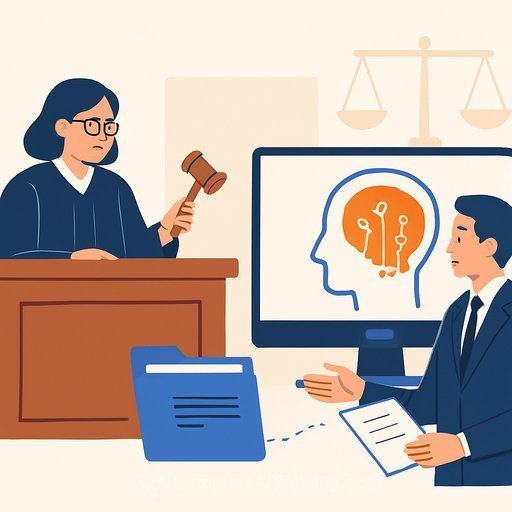
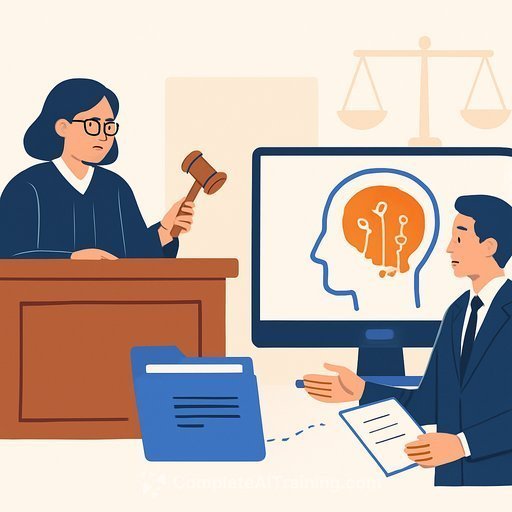
An employment judge in Northern Ireland has called a claimant's use of generative AI to draft his witness statement a "disturbing development." The comments arose in a disability discrimination claim against the Northern Ireland Fire and Rescue Service.
The claimant, representing himself, had been told at a preliminary hearing how to prepare a witness statement: stick to evidence, avoid submissions and legal argument. Despite that, the tribunal found the statement was "scant" on facts and heavy on argument, creating a "confusing meld of fact, opinion and legal argument."
What happened
During cross-examination, the claimant added new evidence that was not in his statement. He also admitted using AI to help prepare it. The tribunal stressed that witness statements are adopted as a party's own sworn testimony, so outsourcing their content undermines reliability.
AI further misled the claimant on case law. A prior judge had pointed him to Dornan v Chief Constable of the Police Service of Northern Ireland (2022) to flag potential issues for his case. The claimant instead relied on AI, which mis-stated the outcome and suggested it helped him.
The claim was out of time. Employment Judge Sheils held it was not just and equitable to extend time, and the claim was dismissed for want of jurisdiction.
Why this matters for practitioners
- Witness statements are evidence, not advocacy. Mixing submissions with fact invites judicial criticism and weakens credibility.
- AI can be confidently wrong. If it hallucinates authorities or flips outcomes, it can steer parties into poor litigation choices.
- Procedural rigour still decides cases. Time limits remain decisive; AI won't rescue an out-of-time claim.
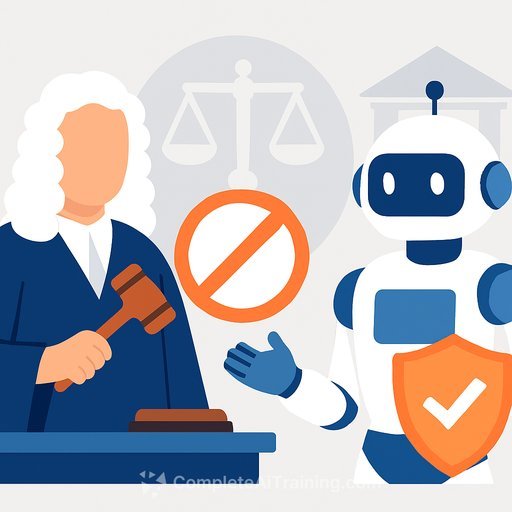
- Judicial scrutiny is increasing. Expect tighter lines on AI use where sworn evidence is concerned.
Practical guidance for legal teams and litigants in person
- Keep AI out of sworn testimony. Draft witness statements from primary evidence and firsthand knowledge. Use AI, if at all, only for non-evidential tasks (e.g., formatting ideas), then redraft in your own words.
- Separate fact from argument. Put the narrative of events in the statement; keep submissions for skeletons and closing.
- Verify every authority. Check case law on authoritative sources before relying on it or citing it in any document.
- Protect deadlines. Confirm limitation and tribunal time limits early and build a buffer; arguments to extend time are never guaranteed.
- Document your process. For any AI-assisted research, keep a log and save the verified sources you ultimately rely on.
Resources
- Industrial Tribunals and Fair Employment Tribunal (NI) Rules of Procedure (2020) - check rules on statements, evidence and time limits.
- Judiciary guidance on AI use - principles and cautions relevant to court and tribunal practice.
Build informed AI practice in legal work
If you're integrating AI into research or drafting workflows, set clear boundaries, audit outputs, and verify everything against primary sources. These resources can help you do it safely and effectively:
Your membership also unlocks: