NXT Conclave 2026: Where Law, Technology and Human Rights Meet
The NXT Conclave 2026 was framed as more than a tech showcase. It was a working platform to examine how governance, rights and digital systems fit together to create a fairer future.
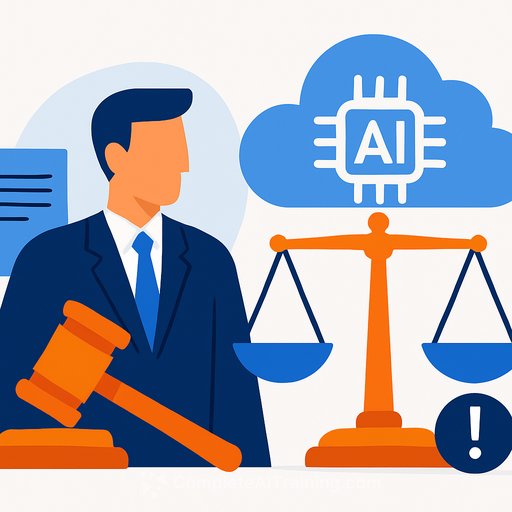
Welcoming the Chief Justice and the legal fraternity, the forum underscored a simple signal: jurists, policymakers, global delegates and innovators are converging around the same set of questions-how to build legal systems that keep pace with fast-changing technology without losing sight of people.
From Discussion to Design: Updating the Legal Playbook
The core argument was clear. Emerging tools across healthcare, decentralised digital systems and AI inevitably surface questions about rights, access and justice.
Innovation needs human values and enforceable safeguards. Law has to move from reacting to disputes to building anticipatory frameworks that reduce harm before it occurs.
India's Digital Jurisprudence: From Paper to Platform
India is stepping up as a contributor to digital jurisprudence-shifting from paper-driven procedures to digital infrastructure that improves speed and accessibility. Technology has moved from the edges to the core of court operations.
Under the leadership of the Chief Justice, the eCourts Mission Mode Project is modernising court processes, with virtual hearings and online case management expanding access to justice-especially for citizens in remote regions.
Learn more about the initiative here: eCourts.
AI in the Judiciary: Translation, Access and Guardrails
Courts are piloting AI translation tools to convert judgments into regional languages, improving transparency and public understanding. That is meaningful progress for litigants, lawyers and researchers outside metro hubs.
But the message was balanced: technology should support, not replace, the human core of justice. Machines can process data; they cannot replicate judgment, empathy or moral reasoning.
Policy Priorities for a Connected Legal Order
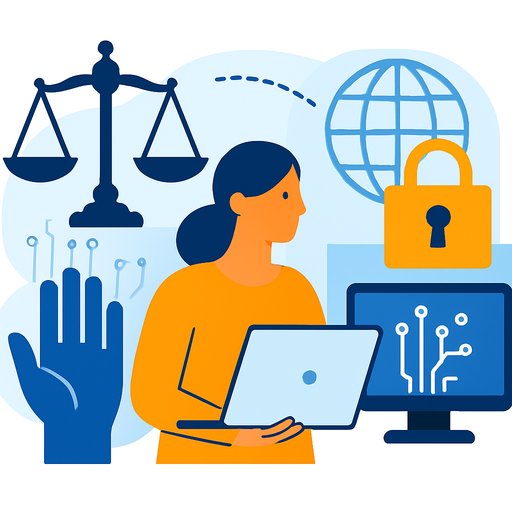
As digital platforms, decentralised architectures and cross-border data flows test older statutes, safeguarding digital sovereignty becomes statecraft. Policy conversations in New Delhi, Brussels and Washington are centering on AI ethics, data protection and digital governance-with India bringing its perspective to the table.
Reference global guidance here: OECD AI Principles.
Practical Steps for Legal Teams
- Embed "safeguards by design": privacy, auditability and risk controls in digital workflows, not as afterthoughts.
- Adopt protocol for virtual hearings and online filings-eligibility criteria, identity checks, evidence handling and open-court principles.
- Use AI translation for accessibility, but require human review for legal accuracy and precedent integrity.
- Mandate algorithmic impact assessments for public-facing tools-bias testing, explainability and redress mechanisms.
- Update contracts and policies for cross-border data flows-localisation, transfer mechanisms and breach notification duties.
- Strengthen chain-of-custody for digital evidence and set standards for admissibility of AI-generated outputs.
- Create joint task forces across courts, bar, academia and technologists to pilot, measure and iterate reforms.
For ongoing skills and tools on legal AI practice, see AI for Legal.
Digital Health, AI and Data-Driven Governance: Legal Gaps to Close
As India expands digital health and other public platforms, statutes and rules must keep pace with data privacy, algorithmic accountability and ethical oversight. The aim is simple: protect rights while enabling innovation that serves the public interest.
Expect broader use of sector-specific standards, clearer consent frameworks and stricter duties for high-risk AI systems.
Toward Shared Principles: A Global Digital Constitution
A call was made for international collaboration on a "global digital constitution"-a compact of shared principles that clarifies the relationship between technology, law and governance. Interoperable norms would reduce friction, support cross-border enforcement and protect citizens online.
The destination is a modern justice system where courts, the bar and institutions work in sync-efficient, accessible and credible. Platforms like the NXT Conclave help turn that blueprint into policy and practice.
Your membership also unlocks: