Writers, your name is not a feature: Why a NYT journalist is suing over Grammarly's "Expert Review"
A class action just put a spotlight on a problem every writer should care about: AI tools using your name, reputation, and craft without consent - and charging for it.
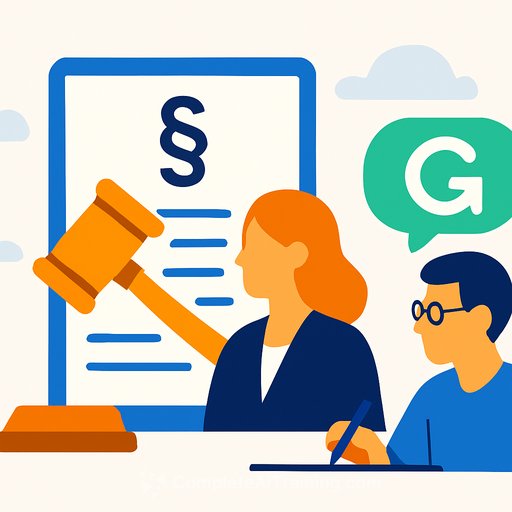
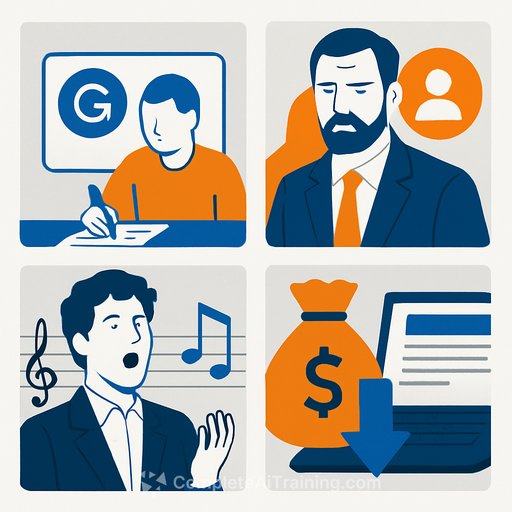
Journalist and author Julia Angwin filed suit in Manhattan federal court against Superhuman, the company described as Grammarly's parent, alleging its "Expert Review" tool sold edits "inspired by Julia Angwin" for $12/month without her permission. She says the tool misrepresented her style, attributed advice she'd never give, and did it while profiting off her identity.
What the suit says happened
- Paying users were told Grammarly's "Expert Review" was "finding experts" to review their text and then "applying ideas from" those experts.
- Suggestions were attributed by name - for example, "inspired by Julia Angwin" - with bios and reasoning attached.
- Angwin says she never consented, never reviewed the writing, and disagreed with the advice attributed to her.
- She's seeking at least $5 million in damages and says dozens of other writers have reached out to join.
The legal angle (and why it's pretty straightforward)
At the core is the right of publicity: companies can't use your name, likeness, or identity for commercial gain without permission. That protection exists in places like California and New York.
- California: see Civil Code § 3344 (text of the statute).
- New York: see Civil Rights Law §§ 50-51 (statutory overview).
Angwin's attorney argues the tool unlawfully exploited writers' identities for profit. The claim is that the feature didn't just summarize public style - it packaged named endorsements and sold them.
Company response
- Superhuman says "Expert Review" was already taken down "for a redesign," had a short lifespan, and saw little usage.
- The CEO called the suit meritless and said they'll defend it - while admitting there's a "better approach" to bringing experts onto the platform and apologizing for "missing the mark."
Why this matters to every working writer
Your name is your product. If an AI tool can attach it to content you didn't touch, it can dilute your credibility, confuse clients, and erode rates across the board.
This isn't about being anti-AI. It's about consent, attribution, and making sure "inspired by [your name]" isn't sold like a skin without you in the loop or on the payroll.
Protect your name and work: practical steps
- Audit your footprint: search your name + "inspired by," "AI review," "expert review," "endorsed by." Set Google Alerts and Talkwalker Alerts on your name and pen name.
- Document everything: screenshots, timestamps, paywalls, sign-up flows, marketing claims, and any use of your bio or headshot.
- Publish a public policy: a short page on your site stating you don't authorize AI tools to use your name, likeness, or implied endorsement without written consent.
- Contract for consent: add clauses to client agreements barring use of your name for training, endorsements, or "expert inspiration" without approval and compensation.
- Ask, then escalate: send a written request for removal and accounting (what data, where used, how sold). If ignored, consult counsel about right-of-publicity or false endorsement claims.
- Consider a trademark for your name if you use it commercially; it strengthens certain enforcement paths.
- Network with peers: if multiple names were used, a coordinated action (or joining a class) has leverage.
If you suspect your name was used
- Capture the flow: video the UI showing your name attribution and the paywall or pricing page.
- Request a data report: ask the company what profiles, embeddings, or prompts mention you, and how they were sourced.
- File complaints where relevant: state AG consumer protection units, and professional guilds or unions if you're a member.
- Don't delete: preserve emails, invoices, and posts that reference the feature; they're evidence.
Next steps and resources
- Skill up on practical defenses and workflows: AI for Writers
- Want the legal context and compliance basics around AI identity use: AI for Legal
Writers built the trust that these tools want to sell. Keep your name yours. Consent first, compensation second, accuracy always.
Your membership also unlocks: