Ohio Man Becomes First Convicted Under Federal AI Deepfake Law
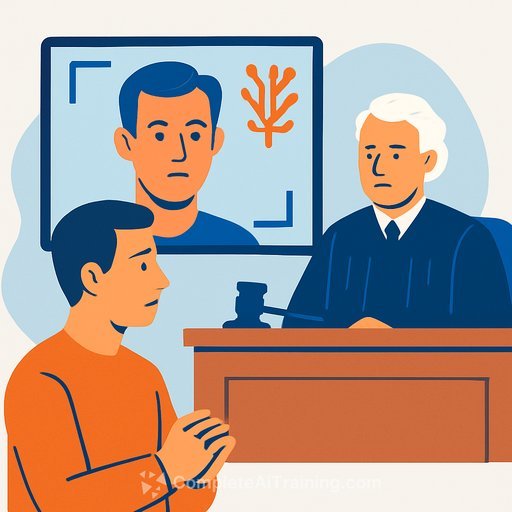
James Strahler II, 37, pleaded guilty Tuesday to cyberstalking, producing obscene images, and publishing digital forgeries under the Take It Down Act, a federal statute signed into law last May that prohibits non-consensual distribution of intimate images, including AI-generated deepfakes.
The Department of Justice says Strahler is the first person convicted under the new law. He admitted to sending harassing messages to at least six adult women between December 2024 and June 2025, including real and AI-created nude images of them.
Prosecutors said Strahler used AI to generate pornographic videos showing at least one victim engaged in sexual acts with her father, then distributed those videos to her co-workers. He also sent messages to the victims' mothers demanding nude pictures, threatening to circulate explicit images he had created of their daughters if they refused.
"He often called the victims and left voicemails of him masturbating or threatening rape," prosecutors said in court documents.
Strahler also created more than 700 obscene images using the faces of minor boys from his community, placing them on adult bodies or other children and distributing the material on a website dedicated to child sexual abuse material.
What the Take It Down Act Does
The law prohibits anyone from knowingly publishing or threatening to publish intimate images without consent, whether real or AI-generated. Social media companies and websites must remove violating content within 48 hours of a victim's request.
Melania Trump lobbied lawmakers to pass the legislation and symbolically signed it alongside the president.
Dominick Gerace II, US attorney for the southern district of Ohio, said: "We will not tolerate the abhorrent practice of posting and publicizing AI-generated intimate images of real individuals without consent. We are committed to using every tool at our disposal to hold accountable offenders like Strahler, who seek to intimidate and harass others by creating and circulating this disturbing content."
The conviction marks an enforcement milestone for AI for Government officials and represents the first legal precedent under the statute. For those working in legal and compliance roles, understanding the implications of this case is essential-see AI for Legal for relevant guidance on AI-related legal obligations.
Your membership also unlocks: