Oklahoma's Criminal Appeals Court adopts first statewide stance on AI in legal filings
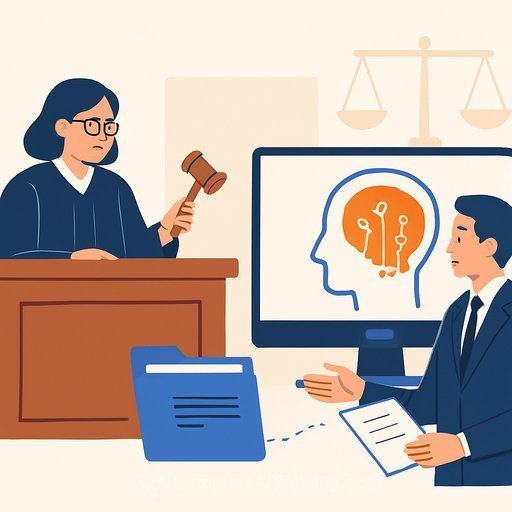
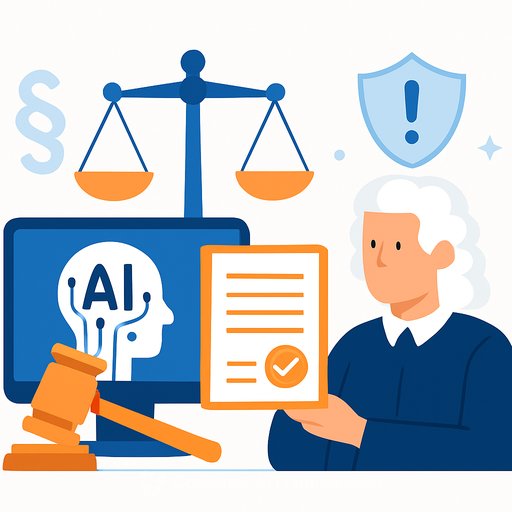
On Feb. 18, the Oklahoma Court of Criminal Appeals adopted a new rule aimed at AI use in court filings. If you use AI to draft or support a filing, you are responsible for ensuring everything is accurate-citations, quotes, facts, and analysis-or you risk sanctions.
This rule applies only to the Oklahoma Court of Criminal Appeals. Still, it's the first official position from an Oklahoma court on AI and signals where expectations are heading.
The core rule, in plain terms
- AI assistance is allowed, but accuracy is non-negotiable.
- Lawyers remain accountable for what they file, regardless of the tool.
- Sanctions are on the table if AI-generated content includes fabricated citations, misstatements of law, or factual errors.
Where it applies
The rule governs filings before the Oklahoma Court of Criminal Appeals. Other Oklahoma courts are not covered by this specific rule yet, but expect similar policies to surface as judges look for clarity and accountability.
What to do now: practical steps for compliance
- Verify every citation with primary sources. Do not trust AI-supplied cites without checking the reporter, page, holding, and subsequent history.
- Quote-check the record and authorities. Confirm direct quotes against the official source.
- Run a human-led cite check before filing. Treat AI output like junior-associate work: useful, but always reviewed.
- Keep a short research log. Note where AI was used and how you validated results. This helps if questions arise.
- Use strict prompts. Instruct AI to provide only authorities you will verify and to flag uncertainty instead of guessing.
- Protect client data. Do not paste sensitive facts or identifiers into tools without approved safeguards and agreements.
- Consider a brief internal policy on AI use for filings. Define acceptable tools, review steps, and approval before submission.
High-risk failure points to audit
- Fabricated or mislabeled citations (phantom cases, wrong reporters, incorrect pin cites).
- Out-of-date law (overruled, vacated, or negatively treated authorities).
- Misstated holdings (AI summarizations that miss key limitations or procedural posture).
- Record inaccuracies (facts asserted without a pinpoint to the record).
Team training and workflows
Set clear roles: who can use AI, who reviews, and who signs. Give paralegals and legal assistants a checklist for cite and quote verification.
If your team is building AI capability, see AI for Legal for workflows and guardrails. For support staff, the AI Learning Path for Paralegals can help standardize how research and drafting support align with court expectations.
Professional responsibility still governs
This rule reinforces existing duties: competence, diligence, candor to the tribunal, and supervision. Technology doesn't dilute those obligations.
For broader context on tech competence, review ABA Model Rule 1.1 (Competence) and your state's ethics opinions.
What to expect next
More Oklahoma courts may issue their own guidance or local rules. Federal and state courts across the country have begun setting expectations around AI disclosure, certification, and accuracy, so monitor administrative orders and standing rules in your venues.
Bottom line: use AI if it helps, but treat every output as unverified until you check it. Accuracy is your job-and the court has now put that in writing.
Your membership also unlocks: