
AI news ·
Omani filmmakers adapt to AI tools as industry undergoes shift in production methods
Oman's filmmakers are folding AI into production workflows, changing how technical departments operate and what skills the industry needs. Practitioners compare it to the shift from film reels to digital - the tools change, the craft stays.
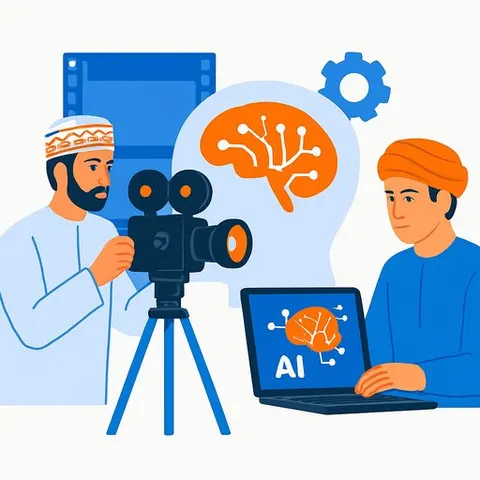
Oman's film industry adopts AI tools, reshaping production roles
Filmmakers in Oman are integrating artificial intelligence into production workflows, shifting how technical departments operate and forcing the industry to reconsider skill development. The change mirrors previous transitions-from film reels to digital formats-where the medium evolves but the core craft remains.
Mohammad Al Kindi, a documentary filmmaker and former president of Oman Film Society, said the shift is unavoidable. "AI filmmaking is not a choice anymore - it's a global trend. We can't stop making cinema, but we must think of new and innovative methods to develop skills and create movies," he said.
Oman Film Society is training young filmmakers in AI-driven techniques to prepare the next generation for this transition.
Mixed reactions from performers and independent creators
Actor Yousuf Al Housni acknowledged both benefits and concerns. "AI is slowly entering our industry and we must accept it. While it benefits technicians and simplifies production, it could be challenging for actors who spend months preparing for roles," he said.
Independent filmmaker Ibrahim Yousuf sees practical advantages. For producers working with tight budgets and complex logistics, generative video tools make ambitious projects feasible. "Stories based on history or fantasy, once difficult to produce, can now be brought to life more easily," he said.
Yousuf acknowledged potential job losses but framed AI as another production tool. "It's just another tool - like a new lens or gimbal. The art of storytelling will not change."
For creatives navigating these shifts, understanding AI design principles and production workflows can clarify how these tools integrate into existing practice rather than replace it.