
AI news ·
Omnicom announces AI streaming partnerships with Netflix, Disney and Paramount and launches sports data platform
Omnicom launched AI ad deals with three streaming platforms and a sports identity tool in June 2026. Brands can target and measure campaigns across streaming and live sports.
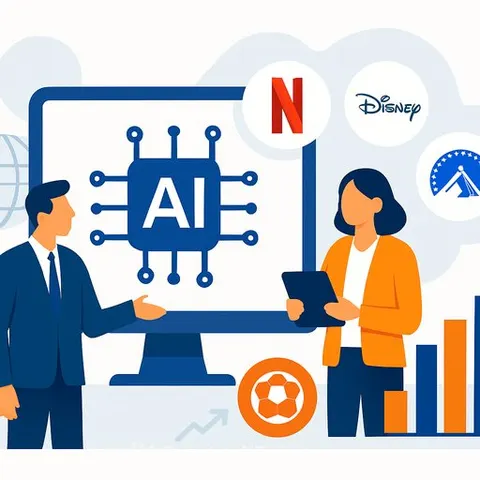
Omnicom Media announced new AI-enabled advertising collaborations with Netflix, Disney Advertising, and Paramount in late June 2026, alongside the launch of Acxiom Fan Graph, a global sports marketing intelligence platform. The dual push gives brands the ability to target audiences using identity data across streaming content and live sports-two channels where precise measurement has trailed traditional digital ad buying for years.
The partnerships connect Omnicom's Omni marketing system to the ad inventory of three major streaming platforms. Advertisers can deploy AI-driven creative variations and receive performance data through a single operating system rather than stitching together platform-specific reports. For media buyers who have watched streaming audiences grow while measurement tools lagged, the integration closes a practical gap.
Streaming platforms open up to AI-driven ads
Netflix, Disney Advertising, and Paramount each operate walled environments to varying degrees. Omnicom's new agreements embed its data and AI layer directly into those ecosystems. The company said the collaborations are designed to make campaigns "more personalized, measurable and effective for global brands."
What changes for advertisers is the ability to run AI-optimized creative across premium streaming inventory without losing visibility into what worked. Omnicom is positioning Omni as the connective tissue-planning, activation, and measurement all sit inside one system. That replaces the patchwork of separate dashboards that many marketing teams wrestle with today.
Acxiom Fan Graph ties identity to sports sponsorships
The bigger bet may be Acxiom Fan Graph. It transforms Omnicom's existing sports and sponsorship relationships into an identity-based platform anchored by Real ID. Every fan interaction-ticketing data, streaming viewership, merchandise purchases, social engagement-can be connected to a persistent identifier that follows the person across channels.
Sports rights are expensive and proving return on those investments has always been difficult. Acxiom Fan Graph gives brands a way to show that a Formula 1 sponsorship or an NFL ad buy actually moved product among identifiable fan segments. Omnicom can then use that proof to win integrated, cross-channel briefs instead of settling for piecemeal assignments from clients.
The privacy line keeps moving
Identity-based targeting at this scale tests regulatory boundaries. The challenge, as the analysis put it, is determining "how far Omnicom can push data-driven targeting before running into the privacy and regulatory risks." In jurisdictions with strict data laws, connecting fan behavior across ticketing, streaming, and purchase data requires consent frameworks that remain untested in practice.
For brands, the upside of sharper targeting comes with a compliance burden that has no settled template. Marketing teams adopting these tools need to work alongside legal and data governance functions from day one, not as an afterthought.
Why this matters for marketing professionals
When a major agency network builds identity-based ad products into Netflix, Disney, and Paramount simultaneously, it signals where the industry's infrastructure investment is heading. Streaming and live sports command growing audiences and ad budgets, but measurement and personalization tools have not kept pace with the shift away from linear TV.
Media planners and brand marketers who understand how identity data drives campaign performance in these environments will be better positioned as these tools become standard. The practical skill is no longer just buying the inventory. It is knowing how to use connected data to allocate spend, tailor creative, and prove outcomes across platforms. Marketers building that capability can find relevant coursework on AI for Marketing, which covers the data and targeting techniques that underpin the systems agencies are now embedding into their largest media partnerships.