Vinod Khosla on Sora 2: Let the audience decide - not "tunnel vision creatives"
OpenAI's Sora 2 has split the room. Some call it "AI slop." Others see fresh material and momentum. Vinod Khosla, an early OpenAI backer, didn't mince words: "Let the viewers of this 'slop' judge it, not ivory tower luddite snooty critics or defensive creatives." He also labeled the critics "tunnel vision creatives."
That framing matters. It shifts the power back to the people who watch, share, and buy - not the ones policing taste. If you make things for a living, the market is your jury. Always has been.
What Sora 2 actually does
The app lets you create short-form videos from text and images. You can also scan your face and voice to drop yourself into scenes. It's simple, fast, and already hit the top of Apple's App Store.
That ease explains both the hype and the hate. You'll see junk, you'll see gems - just like early digital photography and early YouTube. Volume is part of the process.
Khosla's take: This isn't new - it's a pattern
Khosla compared today's pushback to the 90s response to digital music and the 2000s reaction to digital cameras. First, ridicule. Then, replacement. Finally, new careers and new art forms that didn't exist before.
The point: if you have imagination, the tools expand your surface area for ideas. That's not a moral claim. It's a practical one.
The upside for creatives
- Faster iteration: storyboard in minutes, not days.
- Previs on a budget: test scenes, shots, and concepts before spending real money.
- New formats: short-form loops, character bits, and hybrid live-action/AI sketches.
- New client offers: treatments, concept reels, and variations delivered same-day.
The real risks: deepfakes, consent, and copyright
Sora 2 is fun to play with - and a headache in legal and ethical terms. It's one of the strongest consumer deepfake tools out there. A recent Business Insider column put it plainly: you may have a hard time telling what's real and what's fake in these clips.
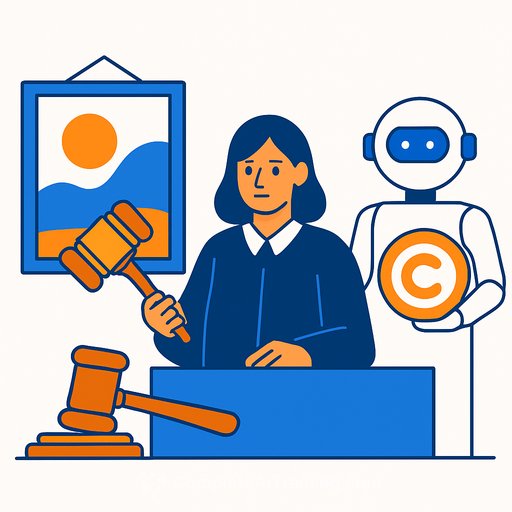
There's also confusion on rights. The Wall Street Journal reported that studios and agencies were told rightsholders might need to opt out to keep their material from appearing in Sora outputs. A day later, OpenAI signaled a different approach, promising "more granular control over generation of characters, similar to the opt-in model for likeness but with additional controls." For updates straight from the source, watch the OpenAI blog.
How to use Sora 2 without setting your work on fire
- Get consent in writing for any real person's face or voice - paid talent, clients, friends, everyone.
- Keep a prompt log and asset list for every project. If a client asks "What went into this?" you'll have the record.
- Use clear labels: "AI-assisted," "AI-generated," or "Composite." It builds trust and avoids ugly surprises.
- Avoid prompts or image inputs tied to protected characters, brands, or living artists' styles. Build your own look.
- Add contract language for AI use: ownership, training restrictions, and approvals. Protect both sides.
- Watermark WIPs. Share finals only after client sign-off.
Practical workflows to test this week
- Pitch reel: 30-45 seconds showing three looks for the same concept (mood, location, action). Let clients pick a lane.
- Character test: generate a consistent look across 4-6 shots, then refine prompts until continuity holds.
- Hybrid edit: shoot a quick live-action sequence, then use Sora 2 for transitions, inserts, or establishing shots.
- Sound-first: write VO, generate visuals that match cadence, then cut to the beat. Speed sells.
Creative lens: ignore the "slop" label, track the signal
Most early outputs won't be your best work. That's fine. Treat Sora 2 like a sketchbook that moves. Quantity creates quality.
The audience is already voting with their attention. If something hooks them, double down. If not, change the prompt, the pacing, or the premise - fast.
Where this is headed
Expect better controls for rights, safer defaults, and platform policies that tighten up after the first wave of chaos. Expect pushback from Hollywood, unions, and agencies, plus new standards for consent and credit.
And expect working creatives to do what they always do: adapt tools into workflows that pay the bills and sharpen the craft.
Want a deeper toolkit?
Explore top generative video tools compared, with examples and notes on pricing: Generative Video Tools Guide. If you build for clients, keep this bookmarked.
Bottom line: Labels don't matter. Results do. Use the tool, protect your rights, credit your inputs, and ship work the audience actually wants to watch.
Your membership also unlocks: