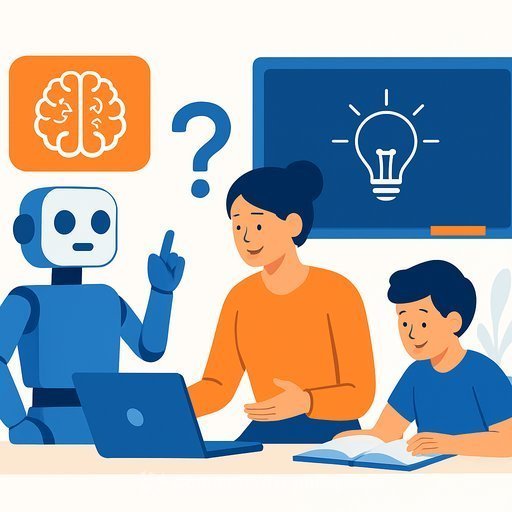
Education for Countries: Building future-ready schools and universities with AI
Technology creates value when it moves from labs into daily practice. AI is no different. There's a growing gap between what AI can do and how people use it. Education is where that gap closes.
By 2030, researchers estimate roughly 40% of core workplace skills will change, driven largely by AI. Educators need tools, training, and evidence-not hype-to prepare learners for what's next. This is the point of OpenAI's Education for Countries.
What Education for Countries includes
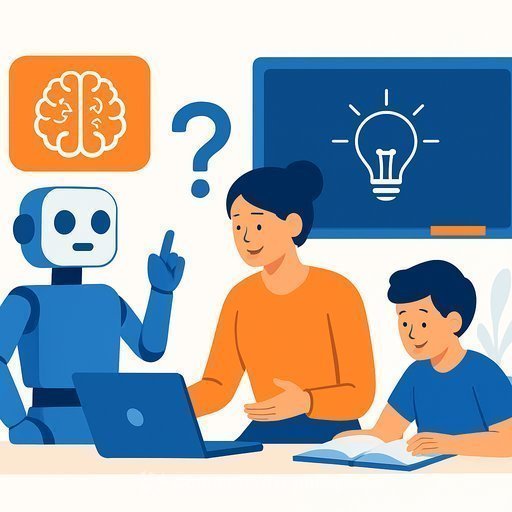
- AI tools for learning: Access to ChatGPT Edu, GPT-5.2, study mode, and canvas-configured with local priorities-to support teaching, feedback, tutoring, and project work (see ChatGPT).
- Learning outcomes research: National-scale studies to measure how AI impacts student learning and teacher productivity, informing policy and workforce planning.
- Certifications and training: Programs like OpenAI Academy and ChatGPT-based certifications to build practical AI skills that map to local workforce needs.
- Global partner network: Governments, researchers, and education leaders share what works, highlight proven rollouts, and guide responsible use.
Why this matters now
Curricula, assessment, and student support models were built for a different labor market. AI changes task mix, feedback speed, and how learners build skills. The institutions that adapt fastest will create the most opportunity for their students and staff.
For context on skills shifts, see the Future of Jobs research from the World Economic Forum here.
How national and campus rollouts work
- Start with educators: Provide staff with ChatGPT Edu, training, and safe classroom practices. Let teachers lead by example.
- Phase student access: In higher education, students get access early. In secondary schools, begin with small pilots aligned to local curricula and safeguards.
- Build AI literacy: Equip educators with age-appropriate guidance and model behavior improvements. See resources from Common Sense Media here.
- Measure and iterate: Pair rollout with research on learning outcomes, equity, and teacher workload. Use findings to refine policy and practice.
Where it's already live
The first cohort includes Estonia, Greece, Italy's Conference of University Rectors (CRUI), Jordan, Kazakhstan, Slovakia, Trinidad & Tobago, and the United Arab Emirates.
In Estonia, ChatGPT Edu is available nationwide across public universities and secondary schools, reaching more than 30,000 students, educators, and researchers in the first year. A longitudinal study with the University of Tartu and Stanford is tracking learning outcomes for 20,000 students over time.
As Ivo Visak, CEO of AI Leap, shared: "We believe AI in education should strengthen how students learn, not just what they know... We're studying both the benefits and risks of AI in classrooms to ensure it truly supports learning."
What this looks like in classrooms and departments
- Personalized learning: Study mode and canvas help students plan, practice, and get feedback at their level-without extra teacher workload.
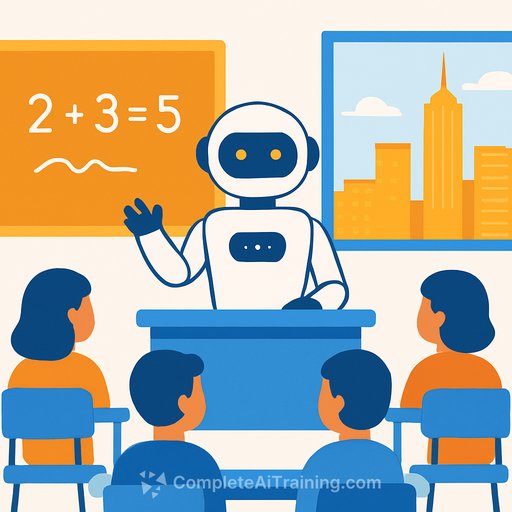
- Teacher productivity: Draft lesson plans, assessments, rubrics, and parent communications in minutes. Spend more time on instruction, less on routine tasks.
- Student support at scale: Provide tutoring, language support, and scaffolding for complex projects-especially helpful for large classes.
- Workforce readiness: Certifications and practical AI projects build evidence of skills employers recognize.
Safety and responsible use
Rollouts prioritize youth protections, age-appropriate behavior improvements, and educator guidance. Pilots set the pace, and local leaders shape use cases, content filters, and classroom norms.
This approach balances access with accountability: start small, define guardrails, measure impact, then expand.
How education leaders can prepare now
- Identify 3-5 priority use cases (e.g., formative feedback, lesson planning, tutoring, accessibility).
- Set a staff training baseline and a simple policy for responsible use (consent, data handling, assessment integrity).
- Run short pilots with clear metrics: learning outcomes, time saved, student engagement, and equity of access.
- Stand up a cross-functional team (academic affairs, IT, student support, legal) to guide implementation and evaluation.
Ensuring AI benefits everyone
The goal is simple: expand opportunity. AI should help learners gain the skills to participate in a changing economy and help educators focus on what humans do best-coaching, context, and care.
Education for Countries builds on ongoing work to make practical AI skills visible to employers through certifications and to support teacher-led adoption through partnerships and research.
Get involved
The next cohort will be announced later in 2026. Ministries, university systems, and research partners can prepare by defining goals, establishing evaluation plans, and identifying pilot sites. To learn more about how to join, contact the OpenAI team through your existing channels.
If you're mapping AI skill paths for staff or students, consider the AI Learning Path for Primary School Teachers or explore independent AI certification options and course catalogs here.
Your membership also unlocks: