NHS doctors get AI note-taking support from Oracle Health
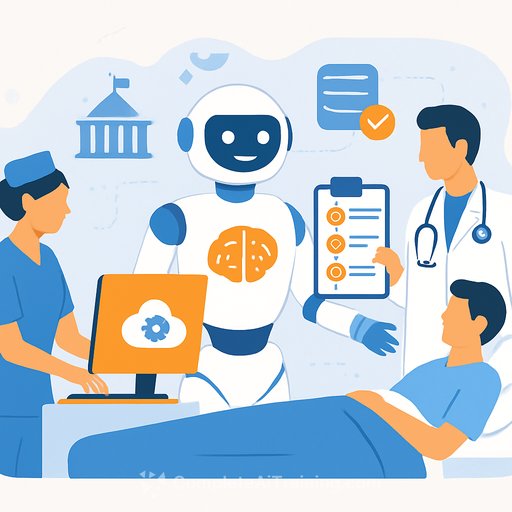
Oracle Health has made its clinical AI scribe available to doctors across the UK after a multisite pilot with the National Health Service. Barts Health NHS Trust, Imperial College Healthcare NHS Trust and Milton Keynes University Hospital are now rolling it out across their organizations.
The goal is simple: cut admin time, reduce waiting lists and let clinicians give patients their full attention. Fewer drop-downs and less typing; more eye contact and faster follow-up.
Why it matters
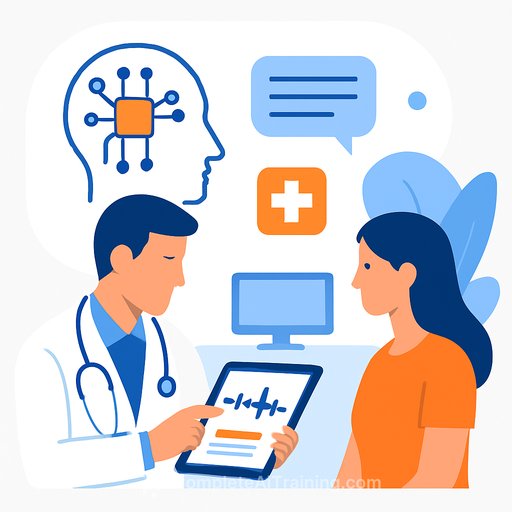
Documentation eats into clinic time and energy. The ambient scribe (Clinical Artificial Intelligence Agent, Clinical Note) captures visits and generates structured notes, reducing the burden that slows clinics down.
Leaders report better experiences for both patients and staff. Clinicians can focus on the conversation while knowing thorough notes are captured in the background.
Who's using it now
- Barts Health NHS Trust
- Imperial College Healthcare NHS Trust
- Milton Keynes University Hospital
How it works in clinic
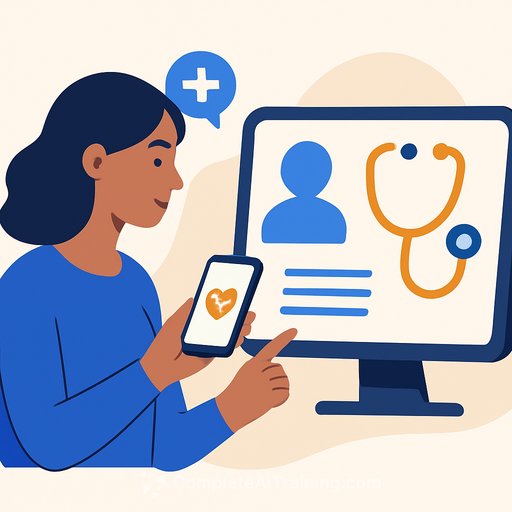
- Clinicians open the app on their phone and place it near the patient.
- The visit is recorded and transcribed in real time.
- The AI filters out small talk and keeps content relevant to diagnosis and treatment.
- Clinical notes are generated and available for the care team within minutes.
Clinicians at Milton Keynes report more accurate notes and meaningful time savings. Patients are leaving with their letters at the end of visits, and teams have immediate visibility of the plan.
What clinicians are saying
At Imperial College Healthcare, clinical leaders say ambient voice tech lets staff engage fully with patients while the system captures comprehensive notes. Barts Health notes the simplicity: use your phone, record the consult, and the app removes chit-chat that doesn't inform care.
The bigger picture
This move aligns with wider NHS efforts to streamline documentation. NHS Shared Business Services has a live framework supporting AI-driven dictation, speech recognition and outsourced transcription through September 2027, with a possible two-year extension. The intent is a layered approach: match the tool to the task while keeping flexibility, accuracy and efficiency across clinical and administrative workflows.
Oracle has also committed $5 billion to UK cloud infrastructure over the next five years to help deliver on the nation's 10-year health plan. For context on NHS priorities, see the NHS Long Term Plan.
What to watch next
- Speed of rollout across additional NHS sites and specialties.
- Impact on waiting times, clinic throughput and documentation quality metrics.
- Integration with existing EHR workflows and downstream processes (letters, coding, handovers).
Early feedback points to time back for teams and clearer care plans. If that holds at scale, clinics get breathing room-and patients feel it first.
Practical next steps
- Identify pilot clinics where documentation load is highest (e.g., acute medicine, general practice, outpatient specialties).
- Set up clear governance, with clinical safety and data protection reviews, and designate clinical champions.
- Measure baseline metrics (note completion time, edits per note, time to letter, clinic overruns) before go-live.
- Train small teams, gather quick feedback, then expand with an iterative rollout plan.
If you're exploring AI skills for your team, you can find focused training by role at Complete AI Training.
On the record
Clinical leaders across the participating trusts highlight better note quality, faster turnaround and more face-to-face time. Oracle Health leadership frames this as direct support for an overstretched workforce-helping clinicians deliver care without the constant drag of the keyboard.
Your membership also unlocks: