
AI news ·
Oregon attorney sanctioned for filing brief with AI-fabricated citations
An Oregon appellate court sanctioned an attorney for filing a brief with fabricated case citations generated by AI. It's the first known judicial sanction tied directly to generative AI use in legal practice.
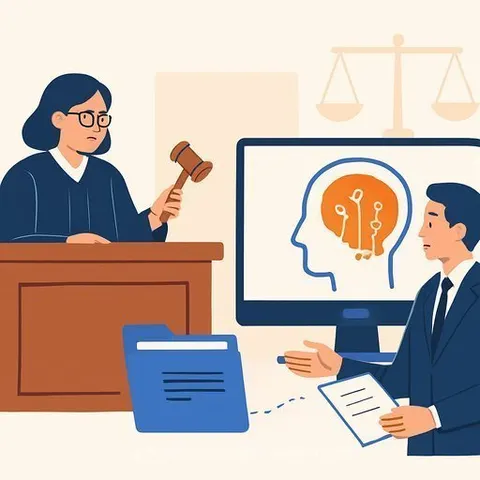
Oregon Attorney Sanctioned for AI-Generated Fabricated Case Citations
An Oregon appellate court ordered an attorney to pay sanctions after she filed a brief containing a fabricated list of legal authorities generated by artificial intelligence. The case marks the first known judicial sanction tied directly to generative AI use in legal practice.
The attorney relied on a generative AI tool to research and cite case law without verifying the results. The AI produced citations that did not exist, a practice known as "hallucination" in the AI field. The court found the false authorities undermined the integrity of her filing.
The sanction highlights a growing risk for lawyers who adopt AI tools without proper verification protocols. Courts expect attorneys to authenticate all citations before submission, regardless of the research method used.
What This Means for Your Practice
If you use generative AI for legal research or brief writing, treat the output as a starting point only. Verify every citation against primary sources. Check case names, docket numbers, dates, and holdings independently.
Many AI systems can produce plausible-sounding but entirely fabricated legal citations. The technology has no built-in fact-checking mechanism. Your professional responsibility for accuracy does not transfer to the tool.
Consider implementing a checklist for AI-assisted work:
- Run all citations through official legal databases
- Confirm case outcomes and holdings match your use
- Document your verification process
- Disclose AI use to clients and courts if required by local rules
State bar associations continue to develop guidance on AI use in legal practice. Check your jurisdiction's ethics opinions before deploying these tools in client work.