How PR Must Reinvent Itself: Humans on the Front Line, AI in the Engine Room
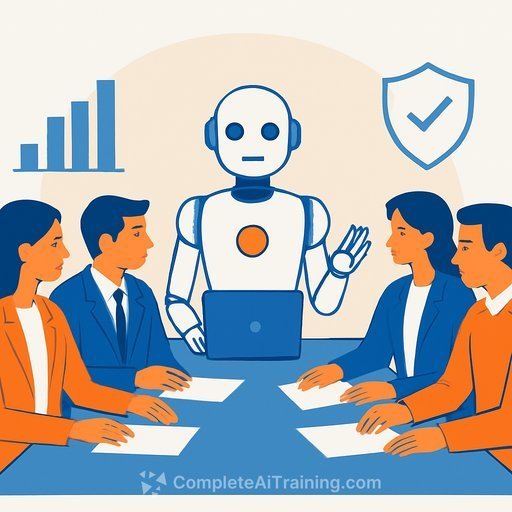
AI in communications will not succeed because of the tools we buy, but because of the humans we empower. The future is simple: humans set direction, AI pushes the work forward. Put the engine in charge and you create risk. Put people in charge and you create momentum.
The false choice slowing teams down
Too many leaders are stuck between clinging to manual work or buying the myth of full automation. Both miss the point. Real influence still comes from judgement, relationships and story. Tools help, but they do not replace the instincts that win rooms and shape outcomes.
The model: humans up front, AI in the engine room
Keep human creativity and counsel at the centre. Push low-value, repeatable work into systems. That means faster execution, cleaner reporting and more time for thinking instead of formatting. The result: better advice, better ideas, less burnout.
Redesign the operating model, not just the tech stack
- Roles: Strategists and creatives lead; analysts and editors co-pilot with AI; specialists maintain the stack.
- Workflows: Standardise research, monitoring, drafting and reporting with AI-first templates and approvals.
- Runbooks: Define what is automated, what is human-only and what is mixed. Document "human-in-the-loop" checkpoints.
- Metrics: Measure cycle time, quality, impact and reusability-not hours burned.
- Commercials: Move to "software-with-a-service"-platform + advisory-so clients pay for intelligence and outcomes, not time.
What this looks like day to day
- Briefs become structured prompts and checklists that generate first drafts, lists and angles in minutes.
- Issue monitoring runs continuously; humans review alerts and decide action, not sift raw feeds.
- Content libraries store approved messages, proof points and formats so assets are reused, not recreated.
- Reporting auto-builds from tagged inputs; teams spend time on meaning and recommendations, not copy-paste.
Culture and careers that attract better talent
Reduce manual effort so teams can focus on ideas, counsel and relationships. Make creative freedom and skill building explicit, not implied. Clear pathways emerge: strategist, creator, analyst, technologist-all valued, all progressing.
Own the engine: data, models and insight
If AI drives your communications, you should own the engine. Too many teams rent access to black boxes and lose leverage. Treat data and insight as assets to build, protect and grow inside your organisation. For leaders responsible for architecture, model ops and data strategy, consider the AI Learning Path for CIOs.
- Data map: Know what you collect, where it lives, who can use it and the permissions attached.
- Contracts: Secure rights to export raw data, prompts, outputs and models. No locked silos.
- Architecture: Centralise in a warehouse or lake with clean tagging of content, coverage, outcomes and spend.
- Model ops: Keep a registry of models, prompts and versions so work is reproducible and auditable.
- IP: Capture prompts, frameworks and playbooks as owned IP-your compounding advantage.
Governance and accountability you can defend
As AI shapes planning, targeting and measurement, expect tougher questions from boards and regulators. Have clear answers for how systems work, how bias is handled and who is accountable. Pick partners who are open about methods and data handling.
- Standards: Use plain-language model cards and data sheets for any system that informs decisions.
- Bias and risk tests: Evaluate outputs on sensitive topics and audiences; log results and fixes. The NIST AI Risk Management Framework is a useful reference.
- Approvals: Define thresholds where human sign-off is mandatory (e.g., crisis lines, financial claims, health).
- Audit trail: Store prompts, sources and outputs for key decisions. If challenged, you can show your work.
- Fallbacks: Keep manual playbooks for outages, sensitive issues and high-stakes rooms.
A better commercial model for clients and teams
The old time-and-materials setup is crumbling. A platform-plus-advisory model is more scalable and defensible. Clients get speed and quality without guesswork on hours. Teams get headroom to think-and a fairer link between effort, impact and reward.
A 90-day plan to get moving
- Days 1-30: Pick three workflows to rework (monitoring, reporting, first-draft content). Document before/after metrics. Map data and lock export rights in contracts.
- Days 31-60: Stand up a central content and insight library. Ship AI-first templates and runbooks. Train every strategist and editor on the new flow.
- Days 61-90: Launch the software-with-a-service offer for one client. Add governance basics: model cards, audit logging and human approval gates.
Skills: invest where the work is going
Skill building is non-negotiable. Give people room to learn prompts, analysis, framing and orchestration, not just tool buttons. If you need a structured path, explore focused training for PR and marketing roles: AI courses by job or a practical credential like AI certification for marketing specialists.
The outcome if we get this right
AI won't replace communications. It will raise its impact by removing the busywork that buries good thinking. Put humans on the front line, AI in the engine room and build a model that respects judgement, protects your intelligence and delivers faster, higher-quality work with less waste.
Your membership also unlocks: