Nearly Half of Life Insurers Now Use AI in Daily Underwriting Work
Life insurers are moving AI deeper into underwriting operations, with 45% of senior executives saying the technology is already part of routine workflows, according to Pacific Life's 2026 Underwriting Outlook Survey. The company surveyed more than 100 underwriting and insurance executives at its fourth annual symposium in Laguna Beach, California.
Of those using AI, 20% apply it directly to routine underwriting tasks and 24% use it as a decision-support tool. Another 38% have AI efforts still in pilot testing.
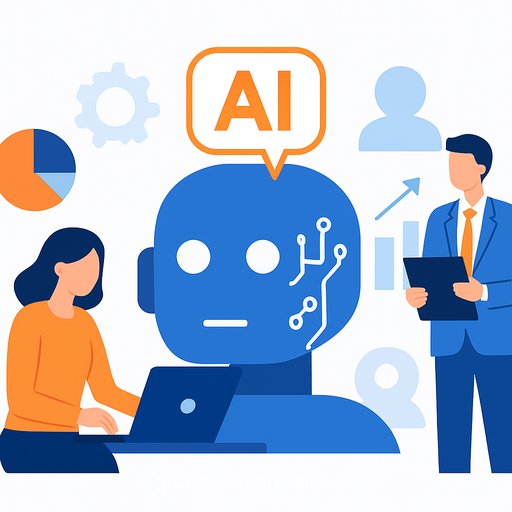
Susan Ghaili, senior vice president and chief underwriter at Pacific Life, said underwriting has become the first place many firms integrate AI into their operations. The technology speeds up decisions without replacing underwriters themselves.
Speed and Data Handling Drive Adoption
Executives cited faster underwriting decisions as the main benefit, with 40% naming it as the top advantage. Another 35% pointed to better use of medical and third-party data.
Fewer than 6% said improved risk selection was the primary gain. The findings suggest insurers view AI primarily as a tool to improve efficiency rather than as a substitute for human judgment.
Ghaili said the role of AI is giving underwriters better tools to make faster, more informed decisions-not redefining the profession.
Talent Shortage Remains a Persistent Problem
Around 70% of respondents expressed concern about the long-term underwriting talent pipeline. The pressure comes from multiple directions.
An aging workforce and loss of institutional knowledge concern 38% of executives. Another 20% worry about balancing automation with human expertise, while 18% flagged difficulty attracting younger talent.
Ghaili said the industry faces a pivotal moment: bringing through a new generation of underwriters who are comfortable with advanced technology while maintaining the critical thinking and risk judgment central to the role.
Electronic Health Records Lead Data Sources
Structured health data is gaining weight in underwriting decisions. Fifty-two percent of executives identified electronic health records as the data source most likely to have the biggest effect over the next three to five years.
Prescription and claims data ranked second at 21%, followed by wearables and continuous health monitoring at 16%.
Younger Customers Driving Speed Expectations
Fifty-seven percent of executives expect younger customers' demand for faster, digital-first experiences to be the biggest generational force shaping the market over the coming years. That expectation continues pushing underwriting toward quicker, cleaner, more connected decision-making.
For professionals working in underwriting, the takeaway is clear: AI for Insurance is no longer a future concern. It's operational today, and the pressure to adopt it-while maintaining expertise-will only increase. Understanding how AI Agents & Automation fit into your workflow is becoming essential to staying competitive in the field.
Your membership also unlocks: