AI-Generated Deepfakes Flood Pakistan's Social Platforms: What PR Teams Need to Do Now
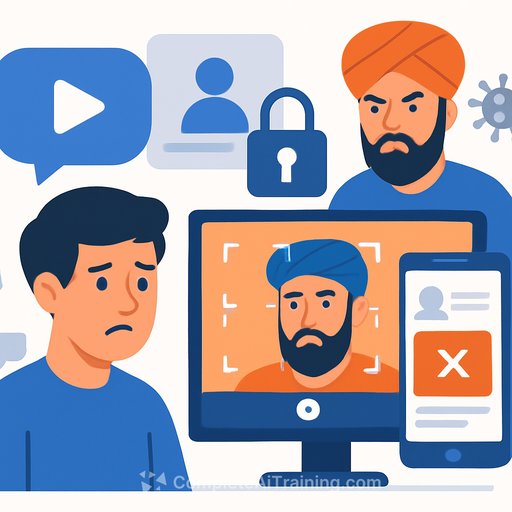
According to a recent media report, dozens of AI-created videos and images-amplified by accounts tied by researchers to Pakistan's security establishment-have been circulating to stoke communal tensions and push anti-India narratives. Fact-checkers note telltale flaws: uncanny visual artifacts, repetitive eye movements, clipped or robotic speech, and misaligned lip-sync.
The report warns this trend threatens regional stability and corrodes Pakistan's own information ecosystem. For PR and communications leaders, the takeaway is simple: deepfake incidents are no longer edge cases-they're operational risks that demand process, training, and speed.
What's reportedly happening
- Investigations cited by the report trace multiple viral posts to X accounts linked by journalists and analysts to Pakistan's military and intelligence ecosystem.
- Examples include an AI clip of IAF chief Air Chief Marshal A.P. Singh allegedly criticizing India's Tejas fighter, and a video attributed to former Indian Army chief V.P. Malik with fabricated communal rhetoric.
- An account alleged to circulate such content, "PakVocals," was reportedly followed by Pakistan's Information and Broadcasting Minister, Ataullah Tarar-suggesting possible high-level interest or endorsement.
- Coordinated behavior stands out: cross-amplification, synchronized posting, and rapid deletions-more like an influence operation than random users.
- International stories have also been pulled in. During the Israel-Iran conflict in 2025, some Pakistani outlets reportedly aired a fake video of an Israeli studio "invasion." AI-manipulated clips of Indian journalist Palki Sharma Upadhyay have circulated as well, pushing bogus financial promotions or misleading diplomatic claims.
Why PR and communications teams should care
- Executive impersonation can fabricate quotes and policy positions in minutes.
- Brand adjacency to communal content can trigger boycotts, regulatory scrutiny, or media pile-ons.
- Cross-border disinformation can trap your brand in narratives you didn't choose-and can't ignore.
Spot-the-fake: a 60-second triage
- Eyes and blink patterns: look for unusual gaze, repetitive or unnatural blinking.
- Lip-sync and teeth: timing slips, teeth blur, mouth shadows that don't match speech.
- Audio tells: clipped phrasing, flat intonation, strange reverb, abrupt breath cuts.
- Edges and lighting: haloing around hair, inconsistent shadows, earrings or glasses "melting."
- Text artifacts: mangled lower-thirds, off-brand fonts, spelling errors in "news" graphics.
- Provenance: who posted first, when, and from where? Check the earliest upload and known official channels.
- Cross-verify: look for coverage from trusted outlets; run reverse image/video searches.
Response playbook for comms leads
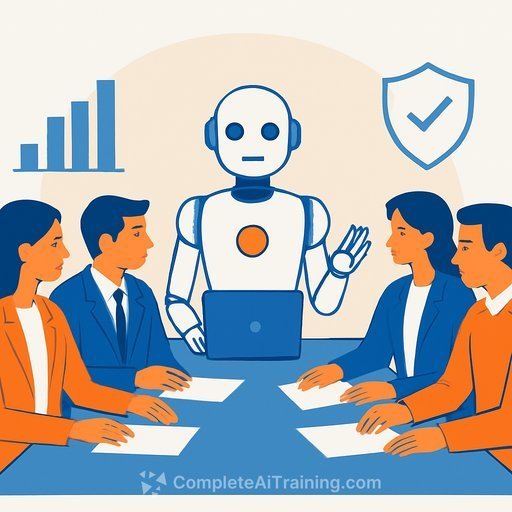
- Stand up a verification cell: social listening, OSINT checks, and a direct line to your security/legal teams.
- Pre-bunk sensitive topics: publish what's real before impostors do; maintain a "golden source" page for statements and videos.
- Crisis templates ready: holding lines for "unauthorized synthetic media," plus escalation trees for spokespeople.
- Authenticate your assets: consistent watermarks, visible time/date stamps, and cryptographic signing where feasible.
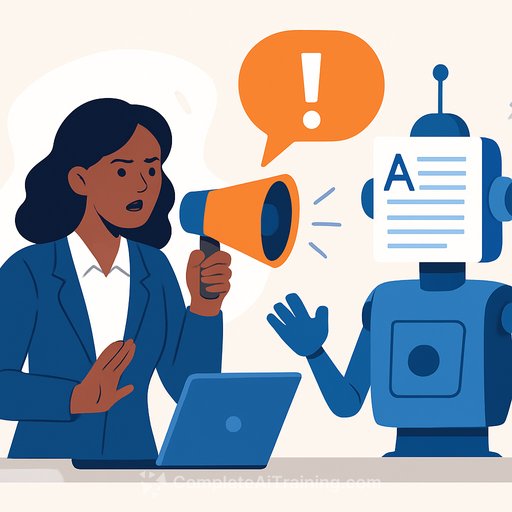
- Platform escalation: use trusted flagging channels and document URLs, timestamps, and account IDs.
- Fact-checker partnerships: share evidence packs; coordinate on public debunks with clear visuals.
- Internal brief: instruct employees not to share or comment on suspect clips; route everything to the comms desk.
- Stakeholder updates: notify leadership, priority media, and partners with a concise situation note and your verification status.
Protect executives and journalists
- Lock down official channels (2FA, hardware keys). Centralize announcements on a verified page and cross-post from there.
- Standardize video formats, lower-thirds, and signature looks so fakes are easier to spot.
- Use short ID phrases or known-verification cues in live videos that your audience recognizes.
- Maintain a rapid rebuttal library: headshots, voice samples, and past statements for side-by-side comparisons.
Team training and readiness
- Run quarterly tabletop exercises featuring deepfake incidents targeting your leaders and brand.
- Refresh keyword lists in social listening (e.g., "leaked call," "hot mic," "secret video," "AI voice," names of principals).
- Track incidents in a "disinfo ledger" with outcomes, platform responses, and time-to-contain.
Useful references
- CISA guidance on synthetic media and deepfakes
- WITNESS resources for synthetic media preparedness
- Research on AI risks, verification, and synthetic media.
Upskill your comms team
Build AI literacy across your PR staff so triage and response become muscle memory. If you're setting up training paths, see curated options by role here: AI courses by job.
One last note: the activities described above are reported allegations. Treat every clip as suspect until verified, move fast, and communicate even faster-with receipts.
Your membership also unlocks: