AI-Informed Patients Are Creating Friction in the Exam Room
Digital health startups raised $14.2 billion in 2025, up 35% from the previous year, with AI-enabled companies capturing 54% of that capital. Yet a new survey from Zocdoc reveals a problem investors aren't discussing: patients are hiding their AI use from doctors, and physicians are spending time correcting AI-generated medical information.
The marketplace platform surveyed 1,186 U.S. adults and 1,000 providers about how AI is changing patient-doctor interactions. Twenty-six percent of patients have already asked an AI a health question. Eighty-five percent of providers say they're seeing more AI-informed patients walk through their doors.
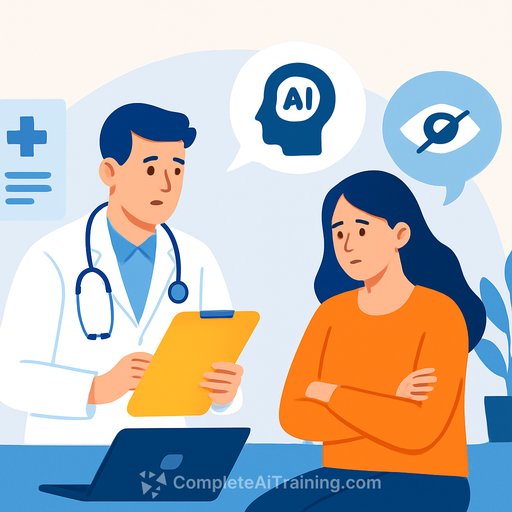
The disconnect is stark. More than 1 in 5 patients admitted they've hidden their AI use from their doctor, often out of fear of judgment. Seventy-seven percent of providers say they feel positively about patients using AI, and 60% would rather patients consult AI than Google.
Yet 83% of providers say they have to correct AI information during appointments. Zocdoc CEO Oliver Kharraz described the dynamic as physicians having to "shadow box with an unnamed partner" as they unwind advice that may not fit a patient's specific situation.
Patients aren't turning to AI because they prefer it. Seventy percent say they would rather receive medical guidance from a doctor. But 65% have consulted AI because it's easier than scheduling an appointment-average wait times to see a primary care provider now exceed 31 days in the U.S.
Both patients and providers agree on a narrower role for AI. The top use case: preparing better questions to ask a doctor. Neither group wants AI making diagnoses.
"It's not as if you can keep AI use a secret," Kharraz said. "The interesting challenge for organizations like ours is helping mediate that patient-doctor relationship."
For healthcare professionals, the takeaway is practical. Patients are using AI for Healthcare to fill an access gap. The opportunity lies in acknowledging that use openly and redirecting it toward preparation rather than diagnosis.
Your membership also unlocks: