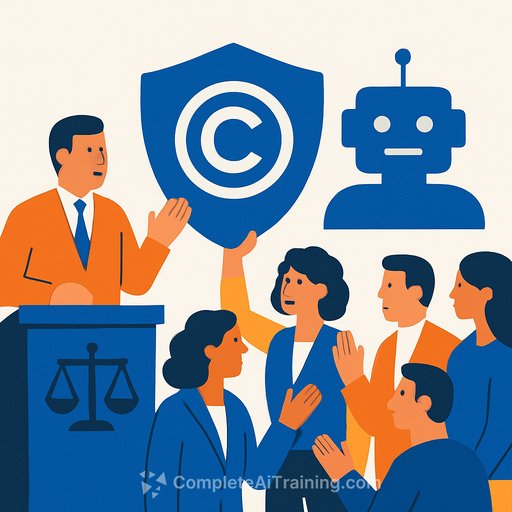
Peers Demand Stronger AI Protections for Creative Professionals
The UK House of Lords has delivered a second significant setback to the government over the Data (Use and Access) Bill, particularly regarding copyright protections for creatives in the face of AI developments.
Peers had previously supported an amendment aimed at shielding creative industries from AI scrapers—tools that extract copyrighted material to train artificial intelligence models. This amendment was rejected by MPs, who sent the Bill back to the Lords. The government argued that the amendment would lead to fragmented legislation ahead of a broader consultation on AI and copyright.
Creative Voices Push Back Against Government Stance
Baroness Kidron, a film director and digital rights advocate, criticized ministers for being influenced by "the whisperings of Silicon Valley," accusing AI firms of effectively stealing creative work without paying proper compensation. This sentiment echoes concerns raised by prominent musicians like Sir Elton John, Paul McCartney, Annie Lennox, and Kate Bush, who warn that current plans could make it easier for AI systems to train on copyrighted content without consent or payment.
Kidron’s amendment would require AI companies to disclose the materials they use for training and obtain permission from copyright holders. She highlighted the imbalance between US tech giants and UK creatives, calling the government's approach "extraordinary" for mandating that one sector compulsorily supplies its property and labour to another, directly competing sector.
She stated, "The government has got it wrong. They have been turned by the sweet whisperings of Silicon Valley who have stolen—and continue to steal every day we take no action—the UK's extraordinary, beautiful and valuable creative output."
Support from Across the Political Spectrum
Labour's Lord Brennan warned against creating a double standard that favors AI companies and abandons the UK's legacy of intellectual property leadership. He stressed that the UK has historically set high copyright standards and should not surrender them due to fears that AI companies might relocate elsewhere.
Lord Watson and Lord Knight, also from Labour, echoed the call to protect artists’ livelihoods while embracing AI’s economic potential.
Other peers, including crossbench composer Lord Berkeley and Conservative Lord Dobbs, described the ongoing use of creative works by AI without permission as "burglary" and urged immediate government action to secure the future of the creative industries. Liberal Democrat Floella Benjamin praised Baroness Kidron's relentless efforts to safeguard creativity from being exploited by big tech.
Government Response and the Path Ahead
Technology Minister Baroness Jones urged peers not to overturn the decision made by MPs again, emphasizing that the issue is complex and global. She argued that premature legislation risks piling up conflicting regulations and hampering the search for the best outcome. Baroness Jones insisted that the government aims to balance protection for creatives with enabling AI’s benefits for the UK.
Despite this, Baroness Kidron maintained that her amendment respects the primacy of the Commons and represents the minimum necessary action to uphold UK copyright law.
The Lords voted decisively in favor of Kidron's amendment by 287 to 118, sending the Bill back to the Commons with a clear message: creatives demand transparency, permission, and respect for their work in the AI era.
What Creatives Need to Know
- This legislative push highlights the urgent need for creatives to stay informed about how AI interacts with copyright laws.
- Transparency from AI companies about training data could become a legal requirement soon, giving creators more control.
- Permission and fair compensation for use of creative content in AI training remain central demands.
- Active engagement in policy discussions and awareness of emerging laws will be crucial for protecting your work.
For creatives looking to understand AI tools and their impact on the industry, exploring practical AI courses can provide valuable insights. Platforms like Complete AI Training offer courses tailored for creative professionals navigating AI’s growing presence.
Your membership also unlocks: