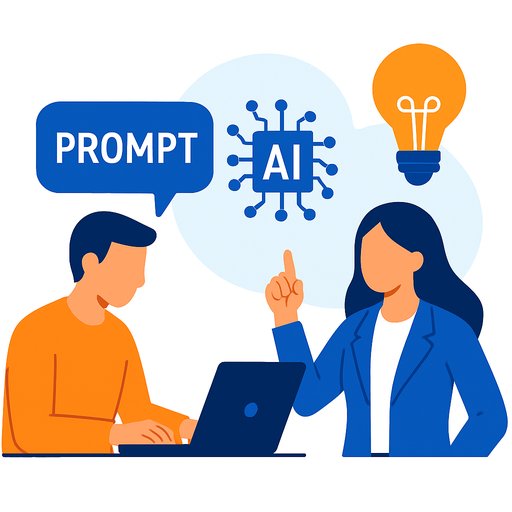
AI Is a Production Tool. Creativity Still Belongs to People
AdHoc's creative director Nick Herman put it plainly: "AI feels like a production solution, not a creative one." In an interview, he pointed to Jeffery Wright's performance as Chase in Dispatch-an interpretation that surprised the team and sharpened the character beyond what was on the page. That layer of intent, timing, and humanity is exactly what Herman says AI can't supply. He even added, "Maybe it's a creative one if you aren't creative."
Executive producer Michael Choung echoed the same standard: whatever the studio builds "has to connect." He said it has to be made by people and connect to people. They're watching AI, they're testing, but "good enough" is the enemy. They're not judging others-just setting a clear bar for their own work.
What That Means for Creatives
Use AI to reduce friction. Don't let it define the work. The job isn't to churn out assets; it's to deliver intent, surprise, and taste at a level machines can't reach.
- Where AI helps: drafts, cleanups, variations, placeholder VO, quick concepts, asset tagging, QA passes.
- Where humans lead: story, subtext, casting, pacing, humor, timing, and the "one decision" that makes the piece memorable.
The Industry Signal
Former Square Enix director Jacob Navok recently said consumers generally don't care about the AI debate. Nexon, publisher of Arc Raiders, went further: assume every game company is using AI. Translation: production teams are adopting tools-audiences reward outcomes.
If you want context on adoption, the State of the Game Industry survey shows how common AI experimentation has become across studios. You can scan the highlights here: GDC's State of the Game Industry.
A Practical Workflow You Can Ship
- Set the taste bar first: define the emotional hit you're aiming for (tone, beats, references).
- Prototype fast with AI: rough lines, temp art, animatics, or layout to test direction.
- Cast humans for meaning: actors, writers, artists who can bring subtext and risk.
- Replace placeholders with human takes: let performances reshape the script where it gets better.
- Kill "good enough": if it doesn't connect, it doesn't ship-no matter how efficient the pipeline was.
Tools Are Fine. Taste Is Non-Negotiable.
AdHoc's stance is a useful filter: production, not authorship. Let AI shave hours. Let people make the calls that matter. If you're building an AI-assisted pipeline for creative work, you can find practical training by role here: AI courses by job.
You can also track current AI tools for creative tasks without letting them steer the vision: popular AI tools. Keep the tools in service of the story-not the other way around.
Bottom Line
AI speeds production. People create meaning. The work that wins will use both, but never confuse the tool for the voice.
Your membership also unlocks: