PepsiCo’s Bold Move: Integrating AI into Operations
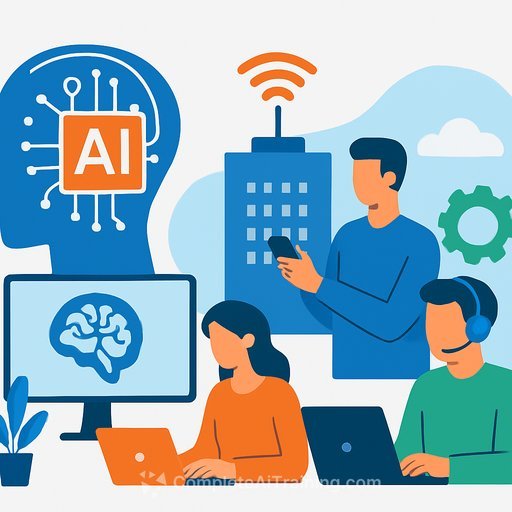
PepsiCo is making a significant shift by integrating Salesforce's AI-powered Agentforce technology into its operations. This AI system will automate key functions like inventory management, online ordering, customer service, and targeted marketing. The goal is to create a more connected, adaptive business that leverages autonomous AI agents for efficiency.
Ramon Laguarta, PepsiCo's chairman and CEO, described this partnership as a step toward reshaping their business in ways that were previously unimaginable. Given PepsiCo’s global reach—its products are consumed over a billion times daily—the scale of this AI adoption is massive.
What Does This Mean for Operations Professionals?
- Automation of routine tasks: AI agents will handle inventory and ordering, freeing up teams to focus on strategic decisions.
- Enhanced customer engagement: Targeted marketing powered by AI can increase personalization and responsiveness.
- Data-driven decisions: AI can analyze large datasets to optimize supply chains and improve demand forecasting.
For those in operations, this signals a shift toward managing AI tools alongside traditional processes. Understanding how AI integrates with existing systems will be key to maintaining smooth workflows.
Environmental Concerns Surrounding AI Adoption
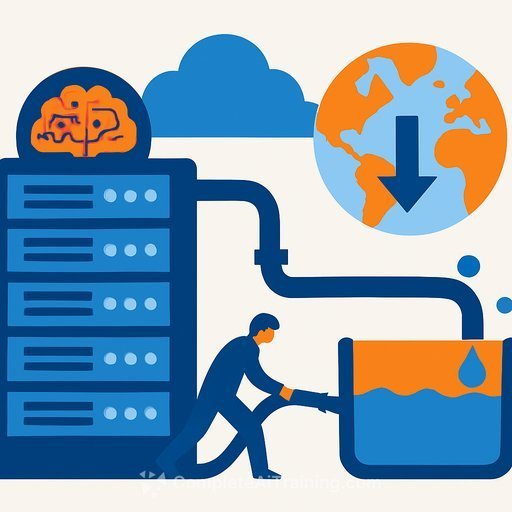
Despite the operational benefits, the rollout has raised alarms among environmental advocates. AI technologies require massive computing power, which consumes significant water and electricity, contributes to noise and air pollution, and generates electronic waste. The reliance on rare minerals for hardware adds to the environmental cost.
PepsiCo’s move to deploy AI at scale may push other brands in retail and consumer goods to follow, increasing the industry’s overall carbon footprint. This comes at a time when AI regulation is still in early stages globally, creating uncertainty about environmental accountability.
PepsiCo’s Environmental History and Current Efforts
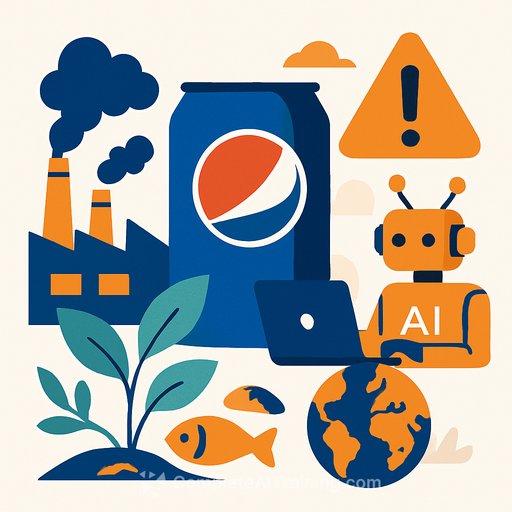
PepsiCo has faced criticism for its environmental impact, notably ranking among the top five plastic polluters worldwide. In 2023, Pepsi’s branded plastic waste exceeded that of Coca-Cola, a long-standing leader in generating plastic pollution.
However, PepsiCo is also investing in sustainability initiatives:
- Providing $6 million in grants for regenerative agriculture projects.
- Experimenting with packaging options that lower environmental footprint.
- Operating recyclable and returnable bottle programs in select countries.
- Committing to using at least 40% recycled content in plastic packaging by 2035.
While these steps show movement toward sustainability, the environmental impact of their AI expansion remains under scrutiny.
What Operations Teams Should Watch For
Operations professionals should monitor how this AI integration affects PepsiCo’s overall efficiency and sustainability goals. Key areas to watch include:
- Energy consumption related to AI infrastructure and its management.
- Balance between automation gains and environmental costs.
- Transparency in reporting the carbon footprint of AI operations.
- Regulatory developments impacting AI use in consumer goods industries.
Staying informed on these factors will help operations leaders align their workflows with broader company objectives and environmental responsibilities.
For those interested in advancing their AI knowledge to better manage such technologies, resources are available at Complete AI Training. This platform offers courses that cover AI applications in business operations and automation.
Your membership also unlocks: